

 5:35
Video· Nous Clips
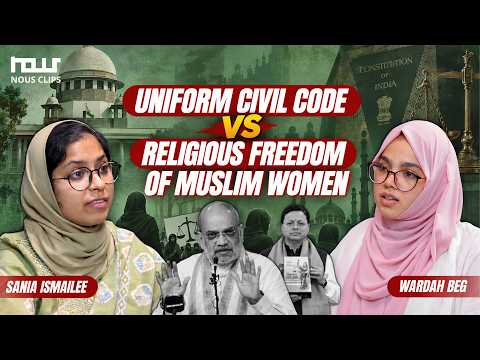
Uniform Civil Code & Muslim Women's Religious Freedom I nous Clips
This is an excerpt from a longer conversation. Full Video: https://www.youtube.com/watch?v=RfW5LrF3ecU
In the first episode of Emerging Perspectives, Sania Ismailee joins Wardah Beg for a conversation about the philosophical questions that lie beneath India’s debate on the Uniform Civil Code. For eight years, through her PhD research, Sania examined the UCC through the questions of secularism and …
Equality का मतलब ये नहीं है same for all. Equality का मतलब होता है कि आप intersectionality को देखें, आप substantive equality को देखें. तो कुछ communities के लिए एक तरह के law काम करेंगे, कुछ communities के लिए अगर हम justice का goal देखें, तो एक particular kind of law काम करेंगे. आपने अपनी research में कौन से secularism के perspective से UCC को देखा है? Indian model of secularism या फिर western model of secularism? त
rights के लिए किस हिसाब से ठीक है उसके ऊपर उतनी बात नहीं की जा रही है तो uniformity by itself एक value नहीं है और अगर state uniformity ला रही है जबरदस्ती impose कर रही है तो क्या state को justify नहीं करना चाहिए कि uniformity पर इतना जोर क्यों है तो of course कोई भी reasons दिये जा रहे है uniformity के लिए या UCC के लिए चाहे वो
और सेकिलरिजम वाला argument कहीं जाकर converge करता है कि change सबको चाहिए, it's just कि change किस तरह से हो रहा है वो different है दोनों, ideologies के लिए तो western context में यह देखा गया है कि बहुत सी जो Jewish wife हैं, उनको civil divorce मिल गया है, लेकिन उनको वो get document नहीं मिला है now as a person of faith, they cannot remarry
यहाँ पर इस context में secularism का क्या मतलब है कि state जो है जब intervene करें तो equally intervene करें सारे religions के laws में या पर state intervene ही ना करें अगर हम अपनी context के भी काम करें तो हाँ यह बिल्कुल सही है कि जो भी uniform जब कहा जाता है उसको neutral कहा जाता है, secular कहा जाता है लेकिन कहीं न कहीं जो dominant norms होते हैं उन्हीं को neutr
दोनों ही आपको बता रहे हैं कि कौन सी आपकी practices जो है वो justified है, कौन सी practices आपकी regressive है. British context में अभी Sikh community ने अपना एक Sikh quote खोला है क्योंकि उनका ये reasoning है कि जो British का uniform जो भी system है, वो Sikh के culture को, practices को, उनकी family life को नहीं समझता है उनकी community के. तो ये कहना कि uniformity और neutrality हर जगा है,
या western context में है वहाँ पे कोई है ही नहीं जगा religion कि ये कहना गलत है
अब तक हम जो UCC के बारे में बात कर रहे थे पिछले कुछ सालों से तो उसका एक जवाज यह था कि UCC का बिल और ड्राफ्ट अभी तक हमने नहीं देखा इसलिए हम कोई pre-emptive उस पर opinion नहीं बना सकते हैं
लेकिन अब जो कि ये reality बदल चुकी है और UCC कई states में लागू हो चुका है, सबसे पहले उत्राखंड में और इसके बाद आसाम और गुजरात में और अब वो मद्यप्रदेश में भी लागू होने वाला है, हमें जो है आज के इस podcast में UCC क्या है ये discuss नहीं करना, बलकि उसके ज
इसको discuss करने के लिए आज हमारे साथ है डॉक्टर सानिया इस्माईली डॉक्टर सानिया इस्माईली assistant professor है social sciences की BML मुंजाल University में इन्होंने अपनी research IIT Delhi में, Columbia University में और University of Oxford में की अलग-अलग fellowships के थूँ ये Commonwealth fellow भी रह चुकी है और ये Fulbright fellow भी रह चुकी है डॉक्टर सानिया का
सबसे पहले मैं आपसे पूछना चाहूँगी कि इस टॉपिक में आपका इंटरेस्ट किस तरह डेवेलप हुआ, कोई एक ऐसा defining moment था जिसकी वज़र से आपने सोचा कि हाँ, UCC पर research करना मैं चाहती हूँ, और किस-किस तरह के आपको problems face हुई, theoretical, practical, इसके बारे में हमें कुछ �
कि सबसे पहले तो यह कभी क्लियर है नहीं था कि मैं यू सीसी पर पर्टिकुलरली काम करूंगी बट काफी इंसिडेंस थे कहीं ना कहीं जो जिंदगी में हुए थे जिससे मुझे लगता है कहीं ना कहीं होता ना कि वह चेन ऑफ इवेंट्स जो होते हैं वह आपको उस मोड प
बहुत ही मुस्लिम स्टूडेंट थी और वहां पर एक बार याद है कि मेरी सोशल साइंस की टीचर थी जो मैं बहुत उनको पसंद करती थी बट पता नहीं क्या हुआ कुछ ऐसा डिस्कशन हुआ अचानक से ट्रिपल तलाक की बात आ गई और उन्होंने मुझे देखा और मु�
और मैं मतलब कि नाइंथ क्लास में टेंथ क्लास में होंगी और इस टाइप के डिस्कशन घर पर नहीं हुए थे कभी भी ना कभी आप स्कूल में करते हैं और मैं एकलौती मुस्लिम स्टूडेंट थी और सब कोई घूम के मुझे देखने लगा कि अच्छा तुम्हारे रिलि�
और उसके बाद वो एक incident था तो वो जो हो गया फिर उसके बाद continuously वैसे होता रहा undergrad में मैं गई मैं masters तक मैं भी गई तो मैं इकलौती Muslim student थी अपने class में और मेरे सारे जो friends थे वो Muslims नहीं थे बहुत कम मेरे रहे है Muslims they were all very nice, very respectful but अक्सर कहीं न कहीं एक religion का discussion होता था या कुछ भी ब
तो out of curiosity मैंने इन सब चीजों के बारे में research करना शुरू किया और thanks to YouTube और Google जो available था तो मैंने अपने आपको inform करना शुरू किया धीरे धीरे तो एक ऐसा phase आया मेरे life में जब मुझे लगा कि ये Sharia और ये UCC का जो debate है ना इसके बारे में मुझे कुछ नहीं बता है बाकी almost सारे स�
तो उसमें कहते हैं यह मैंने सुना है लोगों के साथ कि जो एक कोई ऐसी प्रॉब्लम है जो आपको बिल्कुल ही बॉदर कर रही है वह प्रॉब्लम पर आप अपनी रीसर्च आगे लेकर चलें विकल्स दिन यू विल बी पैशनेट आप उस पर सस्टेन कर पाएंगे जो भी �
तो intellectual या practical जो challenges थे वो काफी रहे थे primarily research में क्या होता है कि आपसे expectation होती है कि जो आपका discipline है उसमें rooted होनी चाहिए आपकी thesis तो जो भी आपका argument है वो आपके discipline में rooted होना चाहिए और मेरा discipline था philosophy मेरी undergrad philosophy में थी master's philosophy में थी PhD में philosophy unit में technically enrolled थी तो मेरे लिए सबसे बड़ा challenge यह था कि मै
के पर्सनल लॉ पर लीगल स्कॉलरशिप थी बहुत ज्यादा सोशोलोजी और एंथ्रोपोलोजी के परस्पेक्टिव से काफी लिखा गया था हिस्टोरियंस ने काफी लिखा था फिलोसोफर ने उतना नहीं लिखा था इसके बारे में तो मेरे लिए क्या होता है क्योंकि रिस
कि मैं एक interdisciplinary काम कर रही थी और मैं philosophy discipline में rooted थी तो मैं क्या अपना एक perspective table पे ले आऊँ दूसरा यह challenge था कि मेरा चुकी political philosophy, political theory की dissertation थी तो मैं बहुत अपने at least काम में या dissertation में यह नहीं जवाब देने की कोशिश कर रही थी कि UCC होना चाहिए या नहीं होना चाहिए जो काफी लोग
दे रही है तो यह क्या इसकी वैल्यू है इस रिसर्च की तो वह काफी एक मैंने यह दो में मैंने चैलेंजेस फेस किए थे अपने थीसिस में आपने थीसिस में क्रिटिकल डिस्टेंसिंग की बात की है कि किस तरह जो है रिलिजियन और पॉलिटिक्स की डिबेट से दूर होकर
इसमें मेनली जो critical distance के मैं बात करती हूँ, वो क्या हुआ कि जब मैंने इसके बारे में पढ़ना शुरू किया, तो मैंने observe किया एक pattern सारे discourses में, मैंने देखा कि जितने भी academic discussions, जो कितापे लिखी गई हैं, articles लिखे गए हैं, जो भी मैंने पढ़ा, political science, sociology, legal scholarship का.
उसमें मैंने ये observe किया कि कहीं न कहीं सारे सारे जो discussions है उनका जो root है वो 1980s, 1990s में जो Shah Bano हुआ है उसके बाद जो Hindutva politics का rise हुआ है कहीं न कहीं वो starting point था इन सारे discussions का और ये हवाला दिया जा रहा था कि UCC नहीं होना चाहिए क्योंकि Hindutva politics ने जो है ये पूरा UCC का discourse appropriate कर लिया ह
और यह कहीं ना कहीं मुस्लिम minority के लिए ठीक नहीं है इस तरह से appropriation of the UCC by Hindutva politics और जो reasoning दी जा रहे थी वो यह दी जा रहे थी कि UCC नहीं होना चाहिए हमें इसलिए बोलना है क्योंकि Hindutva के जो लोग हैं वो इसको favour कर रहे हैं तो मुझे कहीं ना कहीं यह reasoning कुछ ठीक नहीं ल�
पॉलिसी डिसिशन को फेवर कर रहे हैं, इसलिए हम ये कह रहे हैं कि UCC नहीं होना चाहिए, अगर हम ये एक पल के लिए मान लेते हैं कि हिंदूत्वा आइडिलोग्स ने नहीं UCC को अप्रोप्रियेट किया है, तो क्या इसका मतलब ये है कि UCC होना चाहिए, और UCC के लिए हम
सकता है कि कौन से political ideology के लोग क्या support कर रहे हैं और हमें अपनी political ideology के हिसाब से उससे एक दूरी बनाकर रखनी है लेकिन मुझे लगा एक rational way में critical distance का मेरा मतलब है कि अगर हम distance करें इस particular context से अपने आपको तो हम थोड़ा abstraction में क्या reasons देख सकते हैं जो हमारे पास हैं UCC को favor करने के �
थेरिटिकली मुझे लगता है इसका ये फाइदा है कि ये कहीं न कहीं हमें clarity देता है देखने के लिए कि actually what is at stake apart from the particular political ideologies जो है और मुझे लगता है policy level में भी कहीं न कहीं इसका ये फाइदा है कि एक पल के लिए हम अपने आपको ideology से दूर करके देखे political ideology से दूर करके देखे त
कहां बात कर सकते हैं हम कैसे अचीफ कर सकते हैं जस्टिस हम उसके बारे में बेहतर कॉनवर्सेशन कर सकते हैं तो बिल्कुल अगला सवाल मेरा आपसे यही है कि आपने कुछ फंडमेंटल प्रिंसिपल्स की बुनियात पर योशिसी की डिबेट को एसेस किया जी
लेकिन क्या ये एक reality नहीं है कि UCC का discussion हमेशा किसी ना किसी context में ही आया जी for example जब All India Women's Conference ने UCC की मांग की तो वो एक gender justice के context में था जी उसके बाद जब UCC Congress के time पर apply नहीं हुआ तो उसको Muslim appeasement कहा गया या फिर आज के जमाने में जब UCC apply हो रहा है तो वो एक हिंदूत्वा में �
context political हमेशा रहा है UCC के around तो किस हद तक हम in context से अपने आपको क्योंकि आपने कहा है कि आप UCC को in contextual consideration से हट कर देखना चाहती है तो किस हद तक ये ठीक है कि हम और फिर वो क्या principles हैं जो आप define करेंगे कि किन principles से फिर देखा जाए UCC को
लेकिन इसमें यह है कि एक contextual या एक abstract analysis के अपने खुद limitations होते हैं तो limitations तो definitely है जो reasoning मैं दे रही हूँ कि हमें context से थोड़ा दूर हटके बात करनी चाहिए लेकिन एक हद तक एक हद के बाद of course context बहुत important होता है हमारे लिए ये समझने के लिए कि क्या policy decision finally लेने चाहिए हमें तो इ
जा रही हूं कि अगर हम एक पल के लिए यह भूल जाएं कि हम कांग्रेसी है या हम भाजपा के हैं या हम जो भी मुस्लिम पर्सनल लॉबोर्ट का साथ दे रहे हैं या किसी भी पर्टिकुलर का क्रिस्टियन या सीख या जो भी हिंदू कमिनिटी का साथ दे रहे हैं अगर हम �
है कि पर्सनल स्टेटस लॉ जो है वह स्टेट को एनफोर्स नहीं करना चाहिए लोग शायद फॉलो करना चाहें अपना रिलिजिन अपना मसाब्बो कर सकते हैं लेकिन यह स्टेट की जिम्मेदारी नहीं है कि वह एनफोर्स करें उसको एक लीगल तरीके से तो यह सेक्यूलरि
जो दिया जाता है कि UCC होना चाहिए यहां पर दो एक तरह से कहा जा सकता है गुठ है जो सेक्युलरिज्म जो इक्वालिटी से सेक्युलरिज्म सॉरी इक्वालिटी से जो UCC को सपोर्ट करना चाहें या नहीं तो एक यह रीजनिंग है जो कहें कि जो सारे कम्यूनिटीज हैं �
लेटेंस का सक्सेशन का जो भी और सारे कम्यूनिटीज को वह सेम लॉग अवर्न करना चाहिए एक
ये reasoning दिया जा सकता है equality के equality का मतलब ये नहीं है same for all, equality का मतलब होता है कि आप intersectionality को देखें, आप substantive equality को देखें, तो कुछ communities के लिए एक तरह के law काम करेंगे, कुछ communities के लिए अगर हम justice का goal देखें, तो एक particular kind of law काम करेंगे, उसका अगर हम हवाला देते हैं, तो हम ये reasoning दे सकते
justice को achieve कर सकते हैं, जो कहीं न कहीं law commission report ने कहने की कोशिश करी है, तीसरा एक reason आ सकता है, religious autonomy के perspective से, कि religious autonomy का मतलब यह है, कि हमारी अगर constitution allow करती है religious freedom, तो कहीं न कहीं communities के पास, या communities न, individuals के पास यह freedom होना चाहिए, autonomy होनी चाहिए, कि वो किस तरह से अपनी जिनदगी जीना चाहते ह
तो उनके पास वो space होनी चाहिए कि वो religion follow कर सके अपने family sphere में और यहाँ पे state को interfere नहीं करना चाहिए तो यह एक तरह से एक anti-UCC argument होता है अब of course जो political ideology positions हैं वो कहीं न कहीं यही ले रहे हैं लेकिन इसको हम इतने clear तरीके से तब देख पाएंगे जब हम एक तरह से bracket करने की कोश
यह पर्टिकुलर पोजीशन बीजेपी दे रही है या कांग्रेस दे रही है इसीलिए हमको उसे ओपोस करना है
अब यहाँ पर मैंने आपको बताया कि ये reasons हैं anti UCC या for UCC अब ये इस हद तक तो ये reasons ठीक हैं समझने के लिए कि UCC के क्या हमारे पास reasons हैं कि होना चाहिए UCC या नहीं होना चाहिए लेकिन अब on ground क्या lived reality है day to day life में क्या struggles है justice के जो women या men या children face कर रहे हैं ये particular frameworks चाहिए उनकी
के पास for example cases आएंगे अगर civil society actors हैं जो मदद करना चाह रहे हैं on ground justice कैसे achieve किया जाएगा तो वहाँ पे जाहिर है कि context बहुत important है कि किसी का क्या situation है एक particular case में वो determine करेगा कि कैसे justice उनके लिए best तरीके से achieve किया जा सकता है तो उसके बारे में मेरी research बात नहीं करती है तो वो एक limitation है
और चुकी अब हमारे पास drafts है तो और काम उसमें हम देखेंगे तो वो एक future line of research एक अच्छी है जो future researchers pursue कर सकते हैं आपने अपने thesis में यह भी कहा है कि जो gender justice के proponents हैं वो भी यही कह रहे है कि हम UCC को oppose करते हैं लेकिन उनका oppose करने के पीछे जो idea है वो यह है कि हम क्योंकि इस वक
लेकिन ultimately reform तो वो भी चाह रहे हैं, वो कह रहे हैं कि हमें piecemeal reform चाहिए, हमें चाहिए कि slow societal reform हो बजाए इसके कि एक uniform law सब पर apply हो जाए तो ultimately क्या gender justice वाला argument और secularism वाला argument कहीं जाकर converge करता है कि change सबको चाहिए, it's just कि change किस तरह से हो रहा है वो different है दोनों
मेनली यही तरक दिया जाता है कि स्टेट जो है वह रिलीजियस लॉग क्यों एनफोर्स कर रहा है तो वह सेक्युलरिजम का रीजनिंग है जेंडर जस्टिस में भी जैसे अर्चना पराशर रही है वसुदा धागंवर रही है उन्होंने लिखा है इसके बारे में तो उनको अ�
है इसलिए रिलिजिन का वहां पर कोई स्कोप नहीं है तो रिलिजिन को सिविल स्पीर से हटाना जरूरी है और इसीलिए वह कह रहे हैं कि इसको हटाना जरूरी है और यह बहुत इंपोर्टेंट है अगर हमें इक्वालिटी चाहिए तो तो कहीं न कहीं देखा जाए तो वह इ
स्टेट को नहीं एनफोर्स करना चाहिए लेकिन जो लोग जो है जैसे फ्लेविया आग्निस है या निवेदिता मैनन भी है जो बात करती है जेंडर जस्टिस की और कहती है कि जेंडर जस्टिस के वजह से इंटरसेक्शनालिटी के वजह से पर्सनल लॉग के विधिन ही रीफ�
हमारे लॉज में बस यूनिफॉर्मिटी को किस तरह से समझते हैं वह अलग है तो यह यह नहीं कह रहा है कि एक लॉज होना चाहिए जो एक बारी में हम इंप्लेमेंट कर देते हैं
और वह एक लॉ जो है वह सब पर लाभू होना चाहिए बजाय इसके वह यह कह रहे हैं कि कुछ हमारे पास प्रिंसिपल्स है कंस्टिट्यूशन में इक्वालिटी के जस्टिस के और सारे लॉज में हमें उस तरह से चेंजेस लाने चाहिए चाहे वह हिंदू लॉ हो मुस्लिम �
जो कहीं न कहीं law commission भी कह रहा है, तो वो यह नहीं कह रहा है कि uniformity नहीं होनी चाहिए, वो यह कह रहा है कि uniform civil code का मतलब यह नहीं है, कि एक law है जिसको हम एक बारी में implement करें, वो यह कह रहा है uniform civil code का मतलब है, peace meal तरीके से उसको implement किया जाए, कि धीरे धीरे one practice at a time आप उसको reform करें
वह यह नहीं कह रहे हैं अगर कि यूसीसी नहीं होना चाहिए वह उस यूसीसी को किस तरह से समझा जाए उस पर एक अलग इंटरप्रेटेशन दे रहे हैं एक अलग अंडरस्टैंडिंग दे रहे हैं तो क्या आप इससे एजन अटैक ऑफ अटैक ऑन फ्रीडम ऑफ रिलिजिय
क्या होनी चाहिए आपकी definition of modernity कौन सी आपकी practices जो है वो justified है कौन सी practices आपकी regressive है तो as a person of faith a person of faith how will he or she look at this idea
जी बिल्कुल, अगर हम इसको इस तरह से देखें कि एक person of faith, चाहे वो किसी भी community का हो, वो Sikh community का हो, Muslim, Hindu या Christian community का हो, और अगर वो उनको यह लगता है कि कहीं न कहीं because they believe in God, तो उनको God के commands follow करने हैं, जो भी दिये गए हैं, एक liberal framework से देखा जाए, तो इसको एक problem समझा जाता है, क
माना जाएगा ज्यादा तर लेकिन एक person of faith के लिए वो उनकी identity के लिए important है वो उनकी obedience to God के लिए important है तो of course कोई भी reasons दिये जा रहे हैं uniformity के लिए या UCC के लिए चाहे वो इस हवाले से दिये जाएं secularism के gender justice के whatever वो religious autonomy को कहीं न कहीं curtail कर रहा है और दूसरे context में भी अगर हम प�
बहुत popular family law में problem कही जाती है, जो UK के context में, या American context में, या बाकी context में देखी गई है, even Israeli context में for that matter, जिसमें एक problem कही जाती है, problem of aguna, या problem of chained wife, तो इसमें basically यह होता है, कि suppose एक Jewish couple है,
उन्होंने divorce के लिए फाइल किया अब British law ने उनको divorce दे दिया civil divorce दे दिया लेकिन उनको उनकी जो भी Jewish laws है उनका हलाका कहा जाता है उनके हलाका के हिसाब से it is important for the woman to get some to get a get उसको get कहते हैं एक document को जो उनके husband को उन्हें देना है वो एक religious उनकी requirement है तो western context में यह देखा गया है कि �
लेकिन उनको वो get document नहीं मिला है now as a person of faith they cannot remarry because they believe in God and they think कि अगर उनको वो religious document नहीं मिला है तो उनका divorce नहीं हुआ है खुदा के आखों में चाहे state के आखों में उनका divorce हो चुका है लेकिन खुदा के सामने उनका divorce नहीं हुआ है तो वो दूसरी शादी कैसे कर सकती है तो कई बार
सब्सक्राइब करें ताकि यह दूसरी शादी कर सके जो एक तरह से देखा जाए सेक्युलरिजम के परस्पेक्टिव से थोड़ा और लगेगा कि सिविल डिवोर्स तो आपको मिल गया आपको गेट क्यों चाहिए लेकिन कहीं ना कहीं उनका जो रिलीजियस कमिटमेंट है वह �
अब सिविल या सेक्यूलर जो वोकैबिलरी है वो इसको कभी समझ नहीं पाएगी तो कहीं ना कहीं एक इंपोस करना एक पर्टिकुलर लिबरल वोकैबिलरी या सेक्यूलर वोकैबिलरी शायद कॉंस्टिट्यूशनली सही है लेकिन वो
इन particular ways में religious autonomy को compromise करता है और इस type के religious autonomy के जो claims आएंगे जो भी again across communities है उनके लिए थोड़ा space होना चाहिए कि state उनको recognize करें या people of faith के लिए आसान बनाए जो भी वो अपनी life आगे continue करना चाहते हैं and western context में ये recognize किया जाता है ये problem है और उसके लिए western states जो है जो apparently secular and uniform states कहा जाता है व
क्योंकि हम काफी देर से सेक्युलरिज्म की बात कर रहे हैं, मैं चाहूंगी कि आप डिफाइन करें कि आपने अपनी रिसर्च में कौन से सेक्युलरिज्म के परस्पेक्टिव से UCC को देखा है, इंडियन मॉडल अफ सेक्युलरिज्म या फिर वेस्टर्न मॉडल अफ सेक्य�
यहां पर इस context में secularism का क्या मतलब है कि state जो है जब intervene करें तो equally intervene करें सारे religions के laws में या पर state intervene ही ना करें बिल्कुल तो इसको थोड़ा explain कीजिए viewers के लिए तो मैंने अपने research में जो है Indian secularism के perspective से इसको देखा है जिसका ये समझना चाहिए है कि Indian secularism जो है वो western secularism से कैसे अलग है त
वेस्टर्न सेक्युलरिजम है, वेस्टर्न I mean American या जो यूरोपियन मॉडल्स हैं, वहाँ पे separation of state and religion institutionally बहुत important माना गया है, और separation का मतलब यह भी माना गया है कि जो civil spheres हैं, वहाँ पे भी religion की कोई जगह नहीं है, जैसे family sphere है for example, वहाँ पे religion की कोई जगह नहीं है, वहाँ पे secular laws
family loss कहें जो भी कहें वो वहाँ पे है
Indian context में secularism की history यह रही है कि चुकी diverse हमारी society diverse रही है और इसलिए जो respect for religious freedom है वो कहीं न कहीं काफी ज़्यादा उसको importance उसको तरजी दी गई है हमारे context में तो उसे साथ से intervention का जब question आता है तो वो equally intervening in all communities की understanding नहीं आती है और वो क्यों आती है क्योंकि कहीं न कहीं एक particular context है
हमारा
वो इस तरह से रहा है कि अलग-अलग communities के जो अलग-अलग practices हैं, वो अलग-अलग समय में इस तरह से हमारे सामने आए हैं, कि state को लगा है कि इस वर्थ हमें इस पे intervene करने की ज़रूरत है, इस वर्थ हमें इस पे intervene करने की ज़रूरत है, जिसमें आप ले ले सती का जब था, या caste
नहीं है कि एक बारी में एक पर्टिकुलर प्राक्टिस में इंटरवीन किया जैसे अगर ट्रिपल तलाक में इंटरवीन किया तो जितने भी सिमिलर इशूज है दूसरे रिलिजियस कम्यूनिटीज में उसको भी वह इंटरवीन उसी वक्त कर रहे हैं जो एक क्रिटिसिजम भी
लेकिन western modern of secularism में भी जब आप personal laws को देखते हैं या laws in general जब आप उसकी history में dive करते हैं और आपने अपनी thesis में भी फ्रांस का example दिया तो ये जो है ये इसके roots Christian tradition से निकलती है इन laws की तो अगर आप जिस चीज़ से derive कर रहे हैं वो खुद ही uniformity के principle पर खरा नहीं होता रहा तो फिर
क्या ये नहीं कहा जा सकता कि uniformity हमेशा किसी न किसी minority के cost के faith या freedom of religion के cost पर ही आ सकती है क्योंकि जो dominantly accepted framework होगा वो ही generally लोगों पर apply किया जाएगा जिसको majority accept कर रही होगी उस वक्त पर which is both true for western model and also for the Indian model तो आपको क्या लगता है क्योंकि India के example में
इसका प्रूफ यह है कि किन religious communities पर ज्यादा effect पड़ा UCC के आने से कि किसके laws ज्यादा change हुए for example Hindu undivided family पर कोई असर नहीं पड़ा क्योंकि उसका अलग law था for example उनके हाँ monogamy already established थी तो उस पर कोई effect नहीं पड़ा लेकिन जो और traditions हैं और religious communities हैं उनको compromise करना पड़ा है अपने religious customs �
कहीं ना कहीं एक secular vocabulary में couch किया जाता है और उसको एक neutral तरीके से present किया जाता है जबकि वो real में neutral नहीं है इसमें British context में Russell Sandberg है उन्होंने particularly family law के ही बारे में बहुत ज़्यादा लिखा है कि जो British family law जिस तरह से evolve हुआ है वो काफी हद तक Christian roots में rooted है और जो Christian morality है वो inform करती है जो British context में
हो चुका है बहुत डाइवर्स हो चुका है जहां हिंदू कम्यूनिटीज है मुस्लिम कम्यूनिटीज है सीख कम्यूनिटीज है तो उस तरह से हमें अपने लॉस को डाइवर्स करने की जरूरत है
ताकि जो भी different communities के practices हैं, कहीं न कहीं उनके best practices को absorb किया जाएं, और laws को reform किया जाएं, तो ये British context में इस पे काम हुआ है, same क्या होता है, similar अगर हम देखें, हमारे Indian context में अगर हम देखें, तो वही हुआ है, जो dominant community के जो norms हैं, उनहीं को कहीं न कहीं codify कर दिया जाता है, और उसको neutr
जो यह उत्राखण यूनिफॉर्म सिविल कोड है जो अब बाकी स्टेट में आया है उसमें अगर हम प्रॉपर्टी डिस्ट्रिब्यूशन का देखें तो उसमें एक प्रोविजियन है कि आप कंप्लीटली अपने शेयर जो है वह राइट ऑफ कर सकते हैं यह लीगल है अगर हम
वह राइट ऑफ नहीं कर सकते हैं चाहे आप कोई भी हो विमेन है मैन है वगैरह और वह इसीलिए कहा गया है पर्टिकुरली वह आपके राइट्स को प्रोटेक्ट करने के लिए कहा गया है क्योंकि कहीं ना कहीं एक्नॉलेज किया गया है कि अगर एक मेल डॉमिनेटेड सोसा�
फिक्सिंग ऑफ शेयर्स है यह कहीं ना कहीं प्रोटेक्ट करती थी एट लीस्ट लीगली विमेन को कि वह पूरी अपनी प्रॉपर्टी राइट ऑफ नहीं करें और यह जो प्रोविजियन है फिक्सिंग ऑफ शेयर्स यह अच्छीली दूसरे जूरिस्डिक्शन भी है हाल फि
तो वो क्यों किया जाता है वो आपके हक को protect करने के लिए किया जाता है लेकिन अगर हम currently देखें UCC का जो framework है तो उसमें चुकी legal है आप completely right off कर सकते हैं तो जो actually rights Muslim personal law या जैसे Belgium के context में दिये जा रहे हैं विमिन को या लोगों को हाँ हाँ हाँ उस पे भी मैं बात करती
तो यह जो provisions दिये जा रहे हैं इसलिए दिये जा रहे हैं ताकि आपके rights protected रहे तो वो एक तरीका है similarly आप दूसरा देखें अगर आप degrees of prohibited relationship देखें
ये popular एक perception है कि Muslims में ही cousin marriage allowed होती है but that is not true even South की communities में अगर आप जाएं तो वहाँ पे Hindu communities में भी cousin marriages होती हैं जायज और मानी जाती है लेकिन अगर UCC में degrees of prohibited relationship fix कर दिए जाएंगे तो वो किस particular community के जो है morality को आप impose कर रहे हैं सबके ऊपर तो ये जो anxieties हैं कि particularly Hindu community
कि अंदर भी बहुत diversity है practices की, यह भी काफी लोग इसके बारे में बात करते हैं, JSI Deepak का भी criticism है, uniform civil code के idea में, राहूल इश्वर है, उन्होंने भी इसके particular against बुला है, कि जब ही भी आप codify करने की कोशिश करते हैं, तो कुछ particular practices होते हैं, क्योंकि communities बहुत diverse हैं, उनके भी कुछ particular practices
का independent अपना justification क्या है और अगर state uniformity ला रही है जबरदस्ती impose कर रही है तो क्या state को justify नहीं करना चाहिए कि uniformity पर इतना जोर क्यों है तो uniformity अपने आप में कोई value नहीं है uniformity की जब हम बात करते हैं तो uniformity of what का question आता है
तो uniformity of discrimination भी हो सकता है, uniformity of inequality भी हो सकता है, तो discrimination अगर equally हो रहा है, या inequality अगर uniform way में हो रही है, तो uniformity तो वो भी है, लेकिन वो uniformity value नहीं है, तो by itself, अकेले अगर हम देखें, uniformity अपने आपको justify नहीं कर सकता है, इसमें मैं आपको एक example देती हूँ, कि जब ये जो अभी हमारे प
गोवा में जो पॉर्चुगीस सिविल कोड था पुराना उसको एक यूसीसी का शाइनिंग एग्जांपल कहा जाता था और कहा जाता था कि देखो यह यूनिफॉर्म है इसीलिए यह अच्छा है अब इसमें फ्लेविया आग्नेस है अलबीटा अलबर्टा अलमीडा है उन्हो
उसमें अगर आप हिंदू हैं और अगर आपकी शादी को या तो 5 साल हो चुके हैं या आप 30 से कम हैं और आपको बेटा नहीं हुआ है तो you are entitled to remarry
और ये हिंदू कम्यूनिटी के लिए स्पेसिफिकली है तो पॉलीगमी को जैसे बोला जाता है कि अच्छी चीज नहीं है लॉ में अलाउ नहीं होना चाहिए बट गोवा सिविल कोड उसको अलाउ करता है और इस पे लिखा गया है एलबर्टा, एलमीडा है, फिल्वी आगनेस
अगर आप एक particular community से हैं तो आपके लिए equality जिस तरह से जो रास्ता है achieve करने का जरूरी नहीं है कि दूसरी community की जो lady है या जो औरत है उनके लिए भी वही रास्ता equality का काम करेगा उनके लिए शायद हमें अलग strategies चाहिए कि उनको justice मिले within the framework of family ये चीज recognize करना और acknowledge करना बहुत important है
Flavia Agnes में इस पे दो volumes लिखे हैं family law के बारे में कि किस तरह से approach किया जाना चाहिए family का जो reform है across community similarly जो law commission की report आई थी 2018 में उसने भी इस चीज़ को acknowledge किया था कि uniformity by itself एक value नहीं है equality एक important value है और उसको हम किस तरह से achieve करें फिर उसमें हमें individually देखना पड़ेगा अलग-अलग communities के laws को
क्योंकि यूनिफॉर्मिटी की बात हो रही है अगर हम एक्जिस्टिंग यूसीसी ड्राइप्ट्स को देखें तो उनमें ट्राइबल्स के लिए एक एक्सेप्शन है उनको पूरी तरह से यूनिफॉर्म सेविल कोर्ड से जो है एक्सक्लूड किया गया है तो मेरा सवाल यह है
does that justification not apply to other communities? और communities इस justification से बाहर क्यों है? क्या वो state का protection deserve नहीं करती? मतलब इसका justification क्या है basically?
ट्राइबल कस्टमरी लॉस पर बात चल रही थी तो यह चीज समझा गया था कि जो लांड है वह बहुत इंपोर्टेंट रिसोर्स है ट्राइबल कम्यूनिटी के आइडेंटिटी के लिए तो जो लांड उनके पास है लांड को कौन कंट्रोल करता है लांड किसके पास जाता है
tribal communities के customs के लिए भी, उनकी identity और उनके survival के लिए भी, तो उसमें ये decide किया गया था, कि tribal communities के customs हैं, वो कहीं न कहीं ऐसे हैं, कि state को नहीं उसमें जादा intervene करना चाहिए, क्योंकि फिर वो एक development का discourse था, कि land के साथ क्या होना चाहिए, और फिर ये decide किया गया था, कि tribals जो हैं, उनके autonomous
कर सकते हैं कि ट्राइबल कम्यूनिटीज का क्या लॉस का होना चाहिए तो यह हिस्ट्री रही है इसकी
मुस्लिम पर्सनल लौह या हिंदू पर्सनल लौह की हिस्ट्री अलग रही है क्योंकि 1900 के बाद हमारी कंट्री ने जिस तरह से कम्यूनल रायट्स देखे जिस तरह से देखे कि रिलिजन किस तरह से पॉलिटिसाइज किया गया पॉलिटिक्स में यूज किया गया जो फिर वा�
एक unity force करने में जो उनको नहीं लगा कि tribal community के साथ ज़रूरी है तो national integration की जो vocabulary थी वो उनको कहीं ना कहीं Muslim personal law या Hindu personal law या even Christian personal law for that matter लगा कि उस context में important है tribals के context में important नहीं है बट ये जो है ये history का एक perspective है कि इसी लिए tribes को autonomy दी गई थी और religious communities को नहीं दी गई थी लेकिन अगर हम आज
हवाले से देखे हैं तो हमें ये समझना ज़रूरी है कि tribal communities में भी काफी ऐसे laws हैं जो for example women को बिलकुल भी property नहीं देते हैं क्यों नहीं देते हैं क्योंकि again it has to do with land कि land किसके पास जा रहा है अगर वो women को land दे देंगे तो land उनकी community के बाहर जाएगा अगर वो बाहर कहीं शादी क
करें तो वो भी एक problem है और state को फिर यहाँ पर intervene करना चाहिए लेकिन चुकी history इस तरह से एक रही है constitutional provisions उस तरह से design किये गए थे conversations के हिसाब से
कि उस वक्त जो भी बात चीज चल रही थी उस हिसाब से तो इसीलिए जो ट्राइबल कम्यूनिटीज है उनके कस्टमरी लॉस को प्रोटेक्ट किया गया और अभी भी जो यूसीसी के ड्राफ्ट्स आ रहे हैं वह सब स्टी कम्यूनिटीज को बाहर रख रहे हैं उसके पर व्य
यह भी इंपोर्टेंट है समझना कि मुस्लिम के लिए हमेशा से एक्सेप्शनलिज्म नहीं क्रिएट गया था यह एक फॉल्स नैरेटिस है और सौम्या सक्सेना की एक बहुत अच्छी बुक है डिवोर्स एंड डिमोक्रिसी जिसमें वह यह लिखती है कि 1950 में जिस तरह से हिं
उन्होंने कमिटीज बिठाई थी बट आल्टिमेटली क्या हुआ क्योंकि अंबेदकर और नेहरू रहे नहीं तो इसलिए वो रीफॉर्म्स उस तरह से फिर हो नहीं वो शेल्व हो गई बेसिकली वो कमिटीज तो अब कुछ बात हम प्रैक्टिकल इंप्लिकेशंस पर करते हैं
ये practice क्यों हटाई गई जबकि ये Quran का हिस्सा है और हमारे लिए ये बहुत एहम rule है तो मेरा सवाल आपसे ये है क्योंकि ये religious freedom का एक protected aspect है तो क्या secular family law जब इसमें interfere करता है तो इससे constitutional questions produce होते है और अगर होते है तो फिर वो क्या questions है
लेकिन constitutional provision में अगर बात करी जाए तो हमारे constitutional provisions है वो conscience को भी protect करते हैं अब वो conscience क्या है उसको आप कैसे define करेंगे conscience basically का मतलब है कि आपका जो inner belief है वो भी protected है अब of course subject to public health morality वगरा वो कहा गया है but अगर एक कोई woman of faith है जो इद्दत
उनके लिए एक conscience की एक requirement है जैसे कि मैंने Jewish women की बात कही get उनके लिए important है even if civil law उनका divorce accept कर रहा है but क्योंकि वो एक religious world view से आती है तो उनके लिए क्या है religious जो भी उनकी way of life है वो follow करना जरूरी है तो अगर उस हिसाब से हम इसको देखें तो it is very problematic कि state जो है बिना कोई reasoning दिये इद्
है एक वुमन और फेथ के लिए जो यह प्राक्टिस करना चाह रही है इसमें प्रॉब्लम तब आएगी खास करके अगर आप वर्किंग वुमन हैं अगर आप फैमिली में रहते हैं देखिए तो मुझे नहीं लगता स्टेट इतना जाकर देखेगा कि आप इद्दत फॉलो कर �
तो यह एक बहुत बड़ा मसला है जो खड़ा होता है हमारे सामने कि इस तरह से अगर स्टेट बिना यह सोचे समझे कि किस तरह से कोई पर्टिकुलर ट्रैक्टिस बैन करी जा रही है उसका इंपैक्ट क्या होता है उन विमिन के लिए जो विमिन ऑफ फेद है जो पर्टिकुल
एक प्रैक्टिकल इंप्लीकेशन है आपको क्या लगता है कि और नौ दिए एक्ट हैस विन इंप्लीमेंटेड इन उत्तराखंड एंड एसवेल तो और क्या प्रैक्टिकल इंप्लीकेशन हमारी डेट डे रियालिटीज में जो है चेंजेस लाइंगे उससे कि आने के बाद है
एक तो देखिए वही है जो मैंने बात करी आपसे की property जो completely right of कर सकते हैं, legal हो गया है वो, but Muslim personal law के तहट ये था कि आप complete property अपनी right of नहीं कर सकते हैं, जो कहीं न कहीं इसलिए किया गया था, ताकि आपका जो property right है वो protected रहे, तो एक वो practical implication है कि जो आपका religion आपको एक right दे रहा है
जो भी छोड़ा सा आपका share है property का वो आपका ही रहे वो कोई आपसे ले ना सके बट उसको state ने facilitate कर दिया है आप इन नए provisions के साथ के ये आप completely write off कर सकते हैं and we know कि हम एक male dominated society में रहते हैं जहां वैसे भी generally अगर
पेपर भी औरतों के पास ये हक है कि उनको property entitled है बट उनको वो नहीं मिलती है तो अगर ये legal provision भी है कि आप completely write off कर सकते हैं अपनी property तो वो तो फिर एक बिल्कुल ही difficult path खोल रहा है कि women को जहां शायद pressurize किया जा सकता है कि वो अपनी complete property जो है वो write off कर दे and that will be completely legal जो नहीं था प
डिफाइन करे गई है वह एक पर्टिकुलर कम्यूनिटी की मॉरालिटी के बेसिस पर आप डिफाइन कर रहे हैं बट बहुत ही डाइवर्स प्राक्टिस है थ्रू आउट आवर कंट्री ऑन वॉट कि किसमें आप शादी कर सकते हैं किसमें आप नहीं कर सकते हैं बट अब एक प
प्रॉब्लम क्रिएट करती है लोगों के लिए जो इंडिविजुअल्स हैं अपने तरह से शादी करना चाह रहे हैं अपनी मरजी से तो उसके लिए भी यह बहुत बड़ी प्रॉब्लम खड़ा करेगा आपने कर्नाटिका हिजाब क्वांट्रफर्सी पर भी काफी लिखा है �
तो ये जो distinction draw करते हैं हम उस controversy में equality और uniformity के बीच तो क्या वो UCC में भी relevant है वो distinction draw करना आप इस पर क्या कहना चाहेंगी अपने काम से related पहले तो कर्नाटे का hijab controversy के बारे में थोड़ा मैं बात करती हूँ और थोड़ा दूसरे context में भी कैसे similar impact रहे हैं उसके बारे में मैं बात कर
यह बिल्कुल जायज है कहना कि uniform law हम जैसे implement कर रहे हैं जिसको हम neutrality का नाम दे रहे हैं लेकिन उसका जो impact होता है वो अलग-अलग communities पे अलग तरहीके से आता है जिस तरह से हमने करनाटेका में देखा कि क्या हुआ और जिसमें एक report छापी है People's Union for Civil Liberties में जिन्होंने यह लिख
असेंब्ली है उसका डेटा है जो उन्होंने छापा है जिसमें उन्होंने यह दिखाई कम से कम 1000 से ऊपर मुस्लिम जो लड़कियां है उन्होंने ड्रॉप आउट कर दिया अपनी एजुकेशन मल्टिपल रीजन्स के वजह से बट यह एक मेजर रीजन रहा है कि उनको हिजाब
कि जो value है वो यहाँ पे trample करनी चाहिए but यहाँ पे interesting क्या है कि जब Karnataka High Court ने judgment दिया तो उन्होंने distinction draw किया उन्होंने कहा कि जो Sikh turbans है वो essential religious practices है और वो allowed है लेकिन जो hijab है जिसको उन्होंने saffron shawl के साथ club किया और कहा कि ये essential practice नहीं है और ये allowed नहीं है
तो यहाँ पे state ने एक तरह से exceptionalism create किया है Sikh turban के लिए, लेकिन at the same time state ने यह acknowledge करने से refuse कर दिया, कि जो uniform का law है, वो जिस तरह से hijab wearing Muslim women को impact कर रहा है, वो उसी तरह से saffron shawl wearing people को impact नहीं कर रहा है, और यह हमने देखा कि किस तरह से saffron shawl जो थी, वो एक political mobilization का symbol बन गया था उस टा
अब दूसरे कॉंटेक्स में क्या है उसकी मैं बात नहीं करूंगी बट एट लीस्ट कर्नाटेका में यह हुआ और यह रिपोर्ट आई इस पर जो यह दिखाया गया कि किस तरह से इंपैक्ट किया उसने मुस्लिम विमिन के एडुकेशनल आउटकम्स को इसको समझना इसीलिए
ज्यादा है और बहुत ज्यादा जरूरत है मुस्लिम के लिए एक फैसिलिटेट करना उनकी एडुकेशन या उनको जॉब्स के उनके लिए रास्ते खुले रहे तो यह जो रूल ने क्या किया यह कंप्लीटली डिसेडवांटेज कर दिया मुस्लिम और उनको और फ्रांस के कॉ
सेक्स्ट में अगर आप देखें तो सेवन्थ डे एडवेंटिस्ट होते हैं कुछ जो कम्यूनिटी के बिलीवर्स होते हैं उनका रिलीजियस बिलीव यह है कि सैटरडे को आपको काम नहीं करना है वह उनका रिलीजियन है उनका रिलीजियस बिलीफ है जो यह कहता है काफी कं�
particular competitive exams में बैठ सके और उनकी जो भी job की जो opportunities हैं या upward mobility की जो भी opportunities हो वो impact नहीं हो लेकिन काफी countries हैं जो Christian countries ही है जिनको कहा जाता है Romania जैसे एक country हम कह सकते हैं जहाँ पे 7th day Adventists के लिए ये particular exemption नहीं है इसका मतलब यह है कि कुछ जो competitive exams हैं जैसे आप अगर country में judge बनना चाते हैं या
जो है उसको अकॉमेडेट नहीं किया जा रहा है तो लोग शायद यह कहेंगे कि अगर बहुत सारे मुस्लिम विमेन इंपैक्ट हो रही है तो इसीलिए यह गलत है जो न्यूट्रालिटी के नाम पर यूनिफॉर्मिटी इंपोज हो रही है लेकिन मैं यह कहना चाहूंगी कि अ
एक इंसान के भी इंपैक्ट हो रही है तो उस टाइप के न्यूट्रालिटी न्यूट्रालिटी का या यूनिफॉर्मिटी का क्या मकसद है वह स्टेट को सोचने की बहुत ज्यादा जरूरत है आपने बात की वेस्टर सोसाइटीज की और किस तरह वहां पर भी इस जैसे हम सम�
तो आप legal pluralism की कुछ बात कीजिए और आज के दुनिया में legal pluralism का across the world क्या status है और क्या हम वाकई उन societies को truly secular, truly equal बोल सकते हैं उनके legal systems को especially जी, ये बहुत ज़रूरी है समझना अगर हम legal pluralism की particularly बात करें तो हमें ये समझने की ज़रूरत है कि जो legal pluralism family के context में है वो सिर्फ इंडिया
एजिप्ट एक कंट्री है जहां पर है, इज्राईल एक कंट्री है जहां पर है, डिफरेंस यह है कि वहां पर जो रिलीजिस कम्यूनिटीज हैं वो अड्मिनिस्टर करते हैं उन रिलीजिस लॉस को
कि इंडिया में स्टेट एडमिनिस्टर करता है उन पर्सनल स्टेट ऑफ लॉस को अब इसमें लोगों को यह लगता है कि जैसे ब्रिटिश ब्रिटिश कॉन्टेक्स्ट है कैनेडियन कॉन्टेक्स्ट है अमेरिका ऑस्ट्रेलिया है जर्मिनी है मतलब जो भी यूरोपियन कंट
मेकैनिजम्स है जहां पर ज्यूइश कम्यूनिटीज हो गई या मुस्लिम कम्यूनिटीज हो गई वह एक तरह से एक शरीया कोर्ट या बेत दीन कहा जाता है उस तरह से मेकैनिजम्स फॉलो करते हैं कि अगर आपका कोई फैमिली लीगल डिस्प्यूट चल रहा है तो आप उनक
रिलीजिस फ्रीडम अंडर द पर्सनल लॉ सिस्टम अंडरस्टैंडिंग शरीय प्रोसेस भी उनकी एक किताब है जिसमें उन्होंने इसके बारे में तफसीर से लिखा है कि कैसे अलग-अलग जो कॉन्टेक्स हैं वहां पर रिलीजिस फैमिली लॉ क्या शेप लेते हैं और किस
जा सकता है विदिन द यूनिफॉर्म फ्रेंडवर्क ब्रिटिश कॉंटेक्स्ट में अभी सीख कम्यूनिटी ने अपना एक सीख कोट खोला है क्योंकि उनका यह रीजनिंग है कि जो ब्रिटिश का यूनिफॉर्म जो भी सिस्टम है वह सीख के कल्चर को प्रैक्टिसेस को उन
कि अलग-अलग रिलीजियस कम्यूनिटीज है वह कोशिश करती है कि किस तरह से अपना वह पोस्ट पीपल ऑफ फेद अपनी फैमिली लाइफ या जो भी अपनी लाइफ है वह जी सके और स्टेट भी कोशिश करता है काफी कॉन्टेक्स में उसको अकॉमेडेट करने के जिस भी
Companion article
The Uniform Civil Code is no longer a hypothetical. It is now law in Uttarakhand, has been rolled out in Assam and Gujarat, and is due in Madhya Pradesh. For years, the standard response to questions about the UCC was that no one had actually seen a draft. That excuse no longer holds. What remains unsettled is not whether the UCC exists, but what it is actually for — and whether the values it claims to serve, secularism and gender justice, really point in the direction its advocates assume.
That is the question Dr Sania Ismailee has spent eight years sitting with. An assistant professor of social sciences at BML Munjal University who carried out her doctoral research across IIT Delhi, Columbia University and Oxford as a Commonwealth and Fulbright fellow, Ismailee is one of the few scholars in India to have approached the UCC from political philosophy rather than law or sociology. In a conversation with host Wardah Beg on Nous’s new interview series, Emerging Perspectives, she laid out why she thinks the entire debate has been asking the wrong question.
Ismailee traces her interest in the subject back to a single classroom humiliation. In ninth or tenth grade — the only Muslim student in her batch — a teacher raised the subject of triple talaq mid-lesson, turned to her, and asked her to stand up and explain it to the class. “I had no answer to their question,” she recalled. She sat back down in silence. The pattern repeated through university: friendly, curious classmates who would periodically ask her to account for practices in “her religion” that she had never been taught to defend. The gap in her own knowledge, she said, eventually became the starting point for a PhD.
The bigger intellectual challenge, she said, was disciplinary. Her training was in philosophy, but the UCC had mostly been written about by lawyers, sociologists and historians. Working out how a philosopher could even enter that conversation — and resisting pressure to simply declare whether the UCC should exist or not — shaped the method she eventually built her research around.
That method is what Ismailee calls “critical distancing.” Her observation, surveying decades of writing on the UCC, was that almost every argument traced back to the same reference point: the Shah Bano case of the 1980s and the Hindutva politics that followed it. Because the BJP had made itself the loudest champion of a uniform code, much of the opposition to the UCC took the form of opposing whatever Hindutva wanted — a reasonable political instinct, Ismailee argues, but not actually an argument about the UCC itself. “If we assume for a moment that Hindutva ideologues did not appropriate the UCC,” she asked, “does that mean the UCC should exist?”
Bracketing the political identity of whoever is making an argument, she suggests, clarifies what is actually at stake. Stripped of party politics, there are essentially three positions in play: a secular case (the state should not be in the business of enforcing anyone’s religious law), a sameness case (one law, for everyone, on marriage, divorce, inheritance and succession), and an equality case that rejects sameness in favour of what Ismailee calls substantive or intersectional equality — the idea that women from different communities may need different legal routes to reach the same destination. Set against all three is a religious-autonomy argument: that families should be free to live by their faith without state interference.
Ismailee’s own finding, developed against the grain of how the debate is usually presented, is that the secularism camp and the gender-justice camp are not actually opposed to each other. Both want change. They disagree only on method. Secular reformers want the state out of religious law altogether. Gender-justice scholars — she cites Flavia Agnes, Nivedita Menon and the Law Commission’s own 2018 report — want personal laws reformed from within, community by community, until each one independently meets a constitutional standard of equality. “They are not saying there shouldn’t be uniformity,” she said. “They are offering a different interpretation of how uniformity should be understood”: achieved gradually, through piecemeal reform, rather than imposed in one legislative stroke.
Where that distinction matters, Ismailee argues, is in what a uniform code actually does to existing legal protections once it is written into statute. Muslim personal law, for instance, bars a person from writing off their entire share of inherited property — a provision designed, she notes, precisely because women in a patriarchal society face constant pressure to renounce their claims. She points out that Belgium has a near-identical protection. Uttarakhand’s new uniform code removes that constraint altogether, making a complete disclaimer of inheritance fully legal. The result, in her reading, is not a gain in equality but the removal of a safeguard that functioned as one.
A similar problem arises with the “degrees of prohibited relationships” that a uniform code must specify in order to define who may marry whom. Cousin marriage, often framed in public debate as a peculiarly Muslim practice, is legal and common within several Hindu communities in South India. Writing one standard into law is not neutral, Ismailee argues — it is the codification of one community’s norms as the default, with everyone else absorbing the cost of conforming to it.
The clearest case, for her, is the abolition of iddat — the waiting period observed by Muslim women after divorce — without, as far as she can establish, any consultation with the women who actually observe it. For a woman who understands herself as answerable to her faith rather than only to the state, a civil divorce does not settle the religious question. Removing legal recognition of iddat strips away the workplace accommodations women have relied on, without engaging the conscience-based reasoning behind the practice at all.
Perhaps the sharpest asymmetry Ismailee identifies is in who gets carved out of the UCC altogether. Every draft so far has fully exempted Scheduled Tribes. The reasoning, she explains, goes back to the Constituent Assembly: land was understood as central to tribal identity and survival, so customary law governing land was left to autonomous district councils rather than ordinary legislatures. Muslim, Christian and Hindu personal laws were treated differently from the start — not protected for their own sake, but targeted as obstacles to “national integration” in the aftermath of Partition.
That history, Ismailee argues, undercuts a common claim that Muslims have always been granted special legal exceptionalism. Citing the historian Soumya Saxena’s book Divorce and Democracy, she points out that the Nehru government formed committees to reform Hindu, Christian and Muslim family law alike in the 1950s and 1960s. The Hindu Code Bill went through; the reform of Muslim and Christian personal law was shelved once Nehru and Ambedkar were no longer in government to see it through. “Exceptionalism was not always created for Muslims,” she said. “This is a false narrative.”
Ismailee draws a direct line between the UCC debate and the 2022 Karnataka hijab ban, which she has also researched. A uniform dress code, justified as neutral and secular, produced starkly unequal outcomes: a report by the People’s Union for Civil Liberties, using the Karnataka Legislative Assembly’s own data, found at least a thousand Muslim girls dropped out of school, principally over the hijab ban. The Karnataka High Court, meanwhile, ruled that Sikh turbans were an essential religious practice to be accommodated, while classing the hijab alongside the saffron shawls that had become, that year, a tool of political mobilisation rather than a mark of faith. if even one person’s chance at an education or a job is damaged by it, Ismailee argued, “what is the purpose of that neutrality?”
She extends the comparison abroad. Seventh-day Adventists, whose faith prohibits work on Saturdays, have had competitive exam schedules adjusted around their observance in many countries — though not, she notes, in Romania. Jewish communities in Britain and the United States have built religious tribunals, Beth Din, to resolve disputes left unaddressed by civil divorce; Sikh organisations in Britain have recently opened a Sikh court for the same reason. “To say that unity and neutrality exist everywhere, or only in the Western context,” she said, “is simply a false statement.” Even officially secular states carve out space for religious life within an outwardly uniform legal order.
Ismailee returns, in the end, to a single governing claim: uniformity has no independent justification. She points to Goa, long held up as a model of successful uniform civil law, where the old Portuguese code — as scholars Flavia Agnes and Albertina Almeida have documented — permits a Hindu man to take a second wife if his first has borne no son by age thirty. “Unity is being discussed,” she said, “but how it is beneficial for women’s rights is not being discussed as much.” A law can be perfectly uniform and still be unjust, if the uniformity simply spreads one community’s norms, or one gender’s disadvantage, evenly across everyone else.
What should replace the pursuit of sameness, in her account, is a harder and less photogenic commitment: substantive equality, pursued community by community, law by law, with the people actually governed by each law consulted before it is rewritten. It is a less satisfying answer than a single code imposed by decree. It is also, Ismailee insists, the only one that takes seriously what the Constitution actually promises — not identical treatment, but a fair outcome for everyone measured by where they actually start.
5:35This is an excerpt from a longer conversation. Full Video: https://www.youtube.com/watch?v=RfW5LrF3ecU
 2:32
The Uniform Civil Code imposes a dominant majoritarian framework (the Hindutva framework) on all citizens of the country. Sania Ismailee dismantles the idea that uniformity can lead to substantive equality. The first episode of Emerging Perspectives is now live:
 59:13
In this conversation, Wardah Beg speaks with Dr Sylvia Karpagam, public health doctor, researcher and author of The Meat of the Matter: How the Politics of Food Shapes Our Health, about the politics of food in India and the social hierarchies that shape what the country eats. The discussion exami…
 1:40:40
What connects the histories of India, Egypt and Palestine? And how did political ideas, movements and solidarities travel across the Middle East, North Africa and South Asia between the two World Wars? In this conversation, historian Dr Erin M.B. O'Halloran discusses her book, East of Empire: Egy…
 1:24:23
What Role Does Student Politics Play in Shaping India's Democracy and Future Leadership? In this conversation, Osama Khursheed, a student activist and leader from Bihar, reflects on the importance of campus democracy, student representation, and the changing nature of university politics. Drawing…
Discussion
0Readers only · Comments are reviewed by the desk before they appear
The journalism is free for everyone — create a free account to join the discussion.