Who Gets Protection in India? Refugees, Citizenship and the State | Sabreen Ahmed
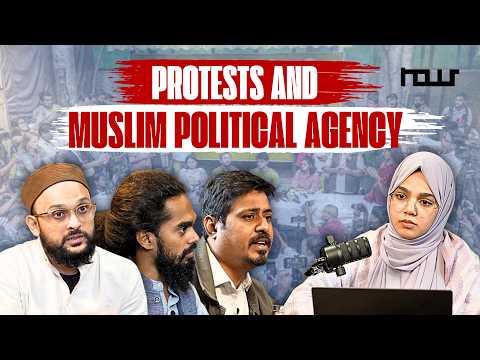
What happens when a country has no legal definition of who a refugee is? In this episode of Emerging Perspectives, Wardah Beg speaks with researcher and legal scholar Sabreen Ahmed about India’s approach to refugees, and what the absence of a refugee law and a standard refugee policy means for th…
Full Transcript
आपको refugee तो हम समझेंगे ही नहीं because refugee की तरह से आपको accept करना मतलब आपको एक international human rights law का subject accept करने के बराबर है तो one of the implications is कि definition की कमी की वज़े से हम conflate कर रहे हैं सारे refugees को illegal migrants के साथ क्योंकि refugee की definition हमारे law में मौजूद नहीं है, illegal migrants की है, foreigners की definition मौजूद है जो professor V.S. Chimney ने अपनी writings में
कि ये कोई फ्लॉर नहीं है सिस्टम का ये एक feature है क्योंकि ये feature utilize किया जाता है क्योंकि state अपना discretion देखती है फिर कि अच्छा who needs to be protected who doesn't need the protection but how much of this hate is manufactured so for instance
जब हम फिगर्स देखते हैं, रोहिंग्या रिफ्यूजीज की, वे बहुत बच्चे नहीं हैं, वे बच्चे प्रोट्रेड हैं, वे प्रोट्रेड हैं पॉपिलेशन बॉम्स, लोगों को प्रोट्रेड करने के लिए जैसे कि चक्मा रिफ्यूजीज के केस में, जब 1996 में judgment दि
Article 19 takes the front seat. But again, coming back to non-reformment, how is Supreme Court able to evade the question? क्योंकि 140 plus countries have signed and also translated it into domestic law के भाई non-reformment होना चाहिए. Analysis में तो यही नजर आता है, irrespective of the justifications given. कि why always a particular group and a group that has one feature common, that is their religion.
So speaking about the other, हम जब रोहिंग्या की बात करते हैं, similar treatment we also see with Bengali speaking Muslims. And then by extension also Indian Muslims. तो ये matter नहीं करता कि वो persecuted है या नहीं. Matter ये करता है कि फिर क्योंकि वो हमारी तरह नहीं तो वो फिर एकी definition में fit हो सकता है. या तो वो illegal है या फिर वो एक threat है. There is a great deal of serious research being done on questions that deeply affect us. But much of it remains within universities and journals.
We aim to bring those ideas into public conversation. We speak to researchers, scholars, lawyers and practitioners asking difficult questions about citizenship, law, minority rights, gender, protest and power. Not simply to explain the events and ideas but to go deeper into analysis. I am your host Varda and this is Emerging Perspectives.
हाल ही में United Nations Committee on Elimination of Racial Discrimination ने इंडिया में बेंगॉली स्पीकिंग मुस्लिम्स और रोहिंग्या के साथ होने वाले racial discrimination, racial profiling और deportations को लेकर कुछ serious concerns रेस किये हैं नैचरली इंडिया ने इन reports को malicious और politically motivated कहकर reject कर दिया है रोहिंग्या दुनिया में सबसे ज़ादा persecuted minorities में से एक है और
इंडिया में refugee law क्या है? इंडिया में refugee policies क्या है? क्या कोई defined refugee policy है जो govern करती है कि कौन state का protection deserve करता है? और अगर इंडिया के पास एक comprehensive refugee law नहीं है तो refugees के rights की guarantee आखिर कहां से आते हैं? इनी सवालों को समझने के लिए आज हम इंडिया की refugee law और policy को Rohingya के context के थूँ समझेंगे और आ
और इनकी research इंटरनेशनल human rights law, refugee law और refugee rights पर focused है. Welcome to NOWS, Sabreen. Thank you. हम थोड़ा basic से start करते हैं. International law, domestic law कैसे बनता है? और कैसे international law, domestic law में translate होता है? India में क्या approach use किया जाता है? Supreme Court के translations क्या होते हैं domestic law के? और फिर वो ground पर कैसे apply होता है?
दो तरह के systems होते हैं इंडिया में जो है वो dualist system follow किया जाता है जिसके अंदर international law doesn't have direct application and if it has to become a law in the country तो फिर उसमें एक domestic law का pass होना बहुत साथ ज़रूरी है if I'm not wrong it's article 51 in the constitution which specifically talks about this thing तो उसका मतलब फिर ये हो जाता है कि अगर एक international level पे
कोई standard law है या फिर अगर बहुत सारी countries उसको follow करना चाहती है and let's say if we have also been a party in that particular discussion or formation or formulation of that particular law but it by itself does not mean कि we have also agreed कि ये अब India में follow भी होगा तो ये ऐसे नहीं होता है अगर Parliament ने उसको एक domestic law की तरह से approve किया है पास किया है तो फिर वो एक
law हमारी country में बनता है and then it becomes enforceable otherwise हम एक अगर specifically judicial approach की बात करें तो वो judgments में reference की तरह से use किया जाता है you know just to let's say amp up the level or the standard of the judgment that the judge is presenting कई बारी ऐसे भी देखने को आता है कि international law is used in support
of the various judgments that are given अगर वो उनके favor में fall कर रहा है तो अगर वो उसके against है, contradictory है domestic laws है तो हम उसको record नहीं करते हैं in fact उस time पर judgments में ये बहुत ही clearly justify किया जाता है कि anything that contradicts with domestic law will not be applied
So we know that India is not a signatory of the Refugee Convention nor is it a signatory of the Refugee Protocol which basically define and also define how refugees are to be protected and you know that who are there, who is to be recognized as a refugee. तो इन conventions को sign करने की absence में इंडिया का refugee law क्या है? हम कैसे decide करते हैं कि हमारे लिए refugee कौन है और refugee की definition में कौन आता है?
इस एक बहुत अच्छा व्यक्ति और एक व्यक्ति जो मुझे लगता है कि स्कॉलरों के लिए अच्छा व्यक्ति को भी जान चाहते हैं और हम और आप जैसे लोग तो बहुत ही नेशन स्टेज पर इसको डिस्कस करते हैं बट just to summarize the whole of the debates that have happened इंडिया का मामला यह है कि क्योंकि �
अच्छा खासा discretionary space मिलता है फिर तो हम क्या करते हैं कि जब हम international law को ratify नहीं करते हैं जैसे refugee law को हमें ratify नहीं कर रखा है तो फिर हम एक strategic ambiguity create करते हैं जैसे कि जो professor B.S. Chimney ने अपनी writings में भी हमें explain किया है कि ये कोई flaw नहीं है system का ये एक feature है क्योंकि ये feature utilize किया जाता है क्योंकि
who doesn't need the protection and on what grounds are we going to protect तो वो जो दायरा है protection का वो define और redefine होता रहता है depending upon कि सामने कौन है who is the population before us so for example India did host refugees so it's a Tamil refugee it hosted Tibetan refugees but of course there is a differential treatment अलग-अलग communities के साथ अलग-अलग treatment है
तो एक तरफ है कि discretion है कि आप अपने हिसाब से हर refugee के लिए अलग policy बना रहे हैं और दूसरी तरफ फिर CA है जिसके थ्रू बजाए उन differences को खतम करने के policies में वो differences institutionalize हो रहे हैं CA के थ्रू तो इसको थोड़ा आप explain कर सकते हैं So first what we need to understand for that is कि Indian executive decisions or governmental decisions जो थे वो starting से ही discretionary थे
रिस्पेक्ट टो रिफ्यूजी और हम इस प्रोटेक्शन को प्रोवाइड करना चाहते हैं और यह जो डिस्क्रीशन है यह बहुत सारी फैक्टर्स से इन्फ्लूएंस होता गया है अगर आप टिबितन रिफ्यूजी की बात करेंगे तो फिर हम देख रहे हैं क्योंकि उसमें ह
law for ourselves की ये दायरा है इस protection का और ऐसे हम आपको protect करेंगे similarly अगर हम दूसरे जैसे for example अगर हमें पता है कि एक political social upheaval हो सकता है किसी situation में तो फिर हम वहाँ पे भी थोड़े sensitive हो जाते हैं for example the Sri Lankan Tamils and these groups would fall here तो ये जो differential treatment है ये political driven है in that case
एक appeal है to the majority और एक victimization है when we are already following majoritarianism लेकिन हम एक उस majority का victimization करते हैं through otherization of the actual victims तो हम यह कहते हैं कि अगर आप इन victims को पनहा देते हैं तो फिर आप खुद victim बन जाते हैं तो उसके लिए हमने एक जो मुख्तलिफ treatment हमने जो लाया है उसका जो basis है
वो फिर unfortunately religion बन जाता है तो अब ये नहीं कह सकते हैं हम कि CAA ने इस religious basis of discretion को पूरी तरह से institutionalize कर दिया पर कुछ हद तक कुछ हद तक बहुत सारी ऐसी चीज़े हैं जो उस discretion पे थी जो हम basis create कर रहे थे for example geography या geopolitical interest उसमें से एक religion भी था और उसका एक हिस्सा अब
institutionalize हो चुका है क्यों? क्योंकि CAA ने एक हमने clear language में ये कह दिया कि if you are a Hindu minority residing in these countries जो Pakistan हो गए, Afghanistan हो गए तो फिर आपको यहाँ पर refugee protection दिया जाएगा तो इसका जो basis है, irrespective of what kind of explanations come from the side of the government
इसका basis जो है वो बहुत clearly institutionalized अब हो चुका है कि इसका basis एक religion है कि मुसल्मान अगर आप हैं तो आपको यहाँ protection नहीं मिलेगी क्योंकि आप एक majority Muslim country से आते हैं ये अच्छा cover up है कहने के लिए लेकिन law में ये discriminatory already है through language when we read the plain language of the text obviously no government on record is going to come and say कि this was the intent of the legislation
कि इस तरह का intention नहीं होता legislation का लेकिन in terms of enforceability or in terms of the outcome that it has produced definitely there is discrimination against this minority or community जो हम देख रहे हैं So हम बात करें कि refugee law के absence में क्या-क्या होता है क्या implications है उसकी
तो one of the implications is कि definition की कमी की वजह से हम conflate कर रहे हैं सारे refugees को illegal migrants के साथ क्योंकि refugee की तो definition हमारे law में मौजूद नहीं है illegal migrants की है foreigners की definition मौजूद है तो ये definitions की क्या contestation चल रही है इसके बारे में आप थोड़े explain कीजिए कि कोई भी इंसान अगर किसी non-legal channel के through India आता है तो what is the asylum process that they can take and like western
people who are fleeing persecution can find you know at least temporary stay and then extend that stay in those countries but in India what is the procedure for asylum in law there isn't any right so because as the way we started this conversation because there is no law because there is no uniform application of that law and because there is a lot of discretionary power
that the government assumes here, that's why we do not have any process. Ultimately ये हो जाता है कि अगर आप आ रहे हैं किसी भी channel के थूँ अगर आ रहे हैं और अगर आप country में हैं तो आप illegal migrant ही हैं आपको refugee तो हम समझेंगे ही नहीं because refugee की तरह से आपको accept करना मतलब आपको एक international human rights law का subject
accept करने के बराबर है और जैसे ही हम आपको subject of international human rights law accept कर लेते हैं हम ये mandate भी accept कर लेते हैं कि now we are going to protect you तो जब मैं आपको refugee बुला ही नहीं रही तो कौन सी protection so this is quite ideal और ये उसी strategic ambiguity में आता है कि हमें इनको वो definitions देनी है जो Indian law justify कर सके हम इने वो definitions नहीं दे सकते जो Indian law में है ही नहीं
क्योंकि फिर उसका justification हम कैसे देंगे when we do not have to justify something it becomes easier to keep establishing it reinforcing it and making it a norm तो अब जब भी कोई आ रहा है और एक मजब से आ रहा है specifically तो automatically we will migrate
So what does the Supreme Court have to say about it? मतलब Supreme Court का इन चैनल से आएवे लोगों के लिए किस तरह के judgments रहे हैं? And also थोड़ी से बात हम non-reformant पे भी करते हैं कि the idea कि अगर कोई persecution से flee कर रहा है तो आप उसकी country of origin में वापस नहीं बेच सकते as long as there is a risk कि उसको उसकी identity की वज़े से कोई भी harm है. तो non-reformant का �
तो अब इसके लिए थोड़ा सा हमें एक historical jurisprudence में जाना पड़ेगा क्योंकि in my researches I have tried to do that at least तो मैं ये देख पा रही थी कि जब हम पुराने judgments देखते हैं specifically अगर हम एक positive light दूनते हैं कि कोई positive judgment तो होगा non-reforming की तरफ तो फिर हमें दिखता है कि article 21 में इसका काफी scope है now the beauty and the charm
अप्लाई होता है इरिस्पेक्टिव ऑफ योर सिदिस्मिशिक ये प्रोवाइड्स प्रोटेक्शन टिव लाइफ की भाई आप जो भी है आपकी जो जिंदगी है उसको हम प्रोटेक्ट करेंगे इस कंट्री में इफ योर हियर सिमिलरली द ब्यूटी अफ एक्वॉलिटी अप
freedom of movement, residing and settling which means कि आप इसको समझी अगर एक example के दौर पे तो I have equality, I have protection of life लेकिन मैं यहां रुप नहीं सकती तो अब यहां हो तो मैं रुप नहीं सकती तो यह एक disconnect है दोनो dots में मैं यहां आ तो गई लेकिन यहां रुप नहीं सकती इसका मतलब मुझे वापस जाना है
इसका कोई clarification नहीं है लेकिन पुराने judgments में इसका clarification दिया गया है by interpreting article 21 over and above article 19 जहां हम ये कहते है कि no we need to protect जैसे कि चक्मा refugees के case में जब 1996 में judgment दिया गया है तो article 21 right to life में non reformment को interpret किया गया कि sending them back is a threat to their life violation of their right to life
लेकिन जैसे जैसे, again, we are coming back to the basis, जैसे जैसे हम आगे बढ़ते हैं, और जब बात, अभी 2021 में, deportation और Rohingya refugees की आती हो, तो suddenly article 21 गायब हो जाता है, article 19 takes the front seat, और अब discussion ये हो रहा है कि deportation तो होगा because it's central government's discretion, because they are threat to national security, और जो भी उन्होंने वो कहा है, वो reason में हमको जाने की जरूरत
but as long as the process of sending them back has taken place properly तो उनका जो process of proper process का जो definition वो यह है कि आपने country के साथ बात की है न बेजने के लिए तो बात की है तो you can go तो यह है तो Myanmar के साथ अगर हमारा discussion हो गया है तो हमने भेजती है तो this is an assumption कि due process follow हो गया है बात की है से क्या मुराद है how is this different from voluntary repatriation that's what I'm saying so Myanmar agreed that okay we will take them back
लेकिन वहाँ पे take them back का मतलब क्या वहाँ पे अगर पूरा सब कुछ उजड़ा हुआ है
मेरे जाते ही मेरा कतलो हो सकता है या मेरी family को destroy किया जा सकता है whatever it may be तो कौन सी चीज़ यहाँ पे हमें secure की जा रही है for us you know sending them back just doesn't mean geographically sending them back physically sending them back sending them back to what
and if there is an agreement let's say हम assume कर लेते हैं कि म्यानमार के साथ agreement है ठीक है हमें उसकी surety में भी जाने की जरूरत नहीं है let's assume कि म्यानमार के साथ government ने बात की होगी और ये due process follow किया होगा but हम इसके अंदर नहीं घुस रहे कि बात में protection का protocol हमने डाला है या नहीं क्या म्यानमार protect भी करेगा उन्ह
has not dwelled into that question in Salimullah case they just said due process is followed here they need to go back because they need to be they need to be where they need to go back from where they came from and legality or the outcome is not up to us because sovereignty matter up and central government or reference किसको दिया जाता है Foreigners Act कि उसके अंदर
उसकी तहह में central government has all the discretion to send the people back when they think that they are becoming a threat to national security or for whatever x, y, z reason. So what about petitions where due process was not followed? For instance, what about instances where people were put on boats and sent out to sea? And so many people have also died and we don't know the whereabouts of the people who were sent off.
तो some of these people कुछ लोग जो है तैर कर म्यानमार पहुंचे और फिर वहाँ से वापस आये और उन्होंने सुप्रीम कोर्ट में petition की कि मैं किसी तरह बस बचा हूँ and this is the compensation I want and I want my right to reside in India back because I am not safe in Myanmar तो इसको किस तरह देखा गए due process तो clearly नहीं follower है due process के तो कई elements है न तीन चार elements है कि आप
movement है वो safe है ये सारी चीज है तो वही कहने का मतलब था मेरा because of now that these examples are coming into light and when these people are coming forward again saying that we went there and look what happened and we had to swim back there
तो वही तो कहने का मतलब है कि हम कह रहे हैं कि policy level पे हम सब करके दे रहे हैं आपको और due process हम ऐसे follow कर रहे हैं कि भाई you have to go back बात-बात हो गई है हमारी लेकिन actual में उसका outcome क्या है कि कोई तैर के आ रहा है तो कोई तैर के जा रहा है किसी को boat में बटा कर भेजता है that's volition but इसका क
अब राइट टो लाइफ आर्टिकल 21 में तो हमने डिस्कस किया नहीं सलीम उल्लाम है तो हमने एक precedent सेट कर दिया कि non-reformat is not part of article 21 so far as article 19 is applicable you don't have a right to settle on this idea you are not a citizen अब कुछ progressive judgments अगर आते भी हैं ये मेरा
analysis है for my research, ये मैं देख पा रही हूँ, और कुछ scholarly articles में भी मैं ये थोड़ा सा पढ़ पाती हूँ, थोड़ा सा भाग पाती हूँ, कि वो भी शायद accept करते हैं on a lot of levels, irrespective of what clarifications come from the other side. That yes, when we are dealing with people from a certain religion, अगर हम हमारे मजब की बात कर रहे हैं, तो standards बदल जाते हैं वहाँ पर.
एप्लीकेशन के भी स्टैंडर्ड बदल जाते हैं और कहीं ना कहीं सुप्रीम कोर्ड की अप्रोज बहुत ही क्लोज दिखाई देती है और यह कह सकते हैं बहुत कंसिस्टेंट दिखाई देती है विद एग्जिक्यूटिव डिसिशियंस इन थे यहां पर सुप्रीम कोर्ड के
उसका जो कहते हैं जो bandwidth of the decision is huge for example 40,000 Rohingya refugees in this case 2021 case अब एक positive judgment 2021 का ही है जो Manipur High Court में दिया था where they said that right to life is
non-reformant is a vital part of article 21 and in that case हमको उसको उसी तरह से देखना है and people are not fit to return from that territory or to the territory where they have come from because उनकी जो life है वो अभी भी gets under threat but that's not a precedent again एक inconsistency है between the high court jurisprudence पर supreme court jurisprudence लेकिन इसकी summary ये है कि हमारा
जो judicial system है वो capable है non-reformment को article 21 में interpret करने के लिए कि जो नहीं किया जा रहा है वो discretion है so now you know we have come back to where we started so it's not only state discretion but now we are also moving into judicial discretion of
what applies where and to what extent and depending upon which group they are dealing with and they also are very careful when they are deciding कि हमें किस किन मुद्दों पर executive decision के against खड़े रहना है और किन मुद्दों पर हमें उनके साथ खड़े रहना है so this is a constant which I would like I have called it in my research as a constant war of being consistent and inconsistent whenever it suits them
हमें नहीं करवा कि तीसरी country में क्या हो रहा है, because they said that we do not concern ourselves with matters of other countries, in the case of Rohingya. Yes, they have said this in the judgment very clearly, और इसका जो interpretation हम लेंगे, the positive interpretation would be कि by municipal law, हम dualist पर आ जाते हैं वापस, municipal law नहीं है, international law which is in contract, this is written also.
in the Foreigners Act and also in other laws it clearly says अगर वो municipal law के contradiction में है it does not apply in India तो वो contradiction किस law से है Foreigners Act तो वो हमने already एक standard बना रखा है Foreigners Act को और foreigner कौन है वो हमें नहीं पता refugee कौन है वो हमें नहीं पता लेकिन जो भी आ रहा है उसको हम Foreigners Act में deal कर लेते हैं और ये justification दे देते है कि central government has complete discretion on foreigners
क्योंकि central government का decision is you have to go back and we don't care कि दूसरी countries में क्या हो रहा है फिर ये एक है but again coming back to non-reformant how is supreme court able to evade the question क्योंकि 140 plus countries have signed and also translated it into domestic law के भाई non-reformant होना चाहिए के ऐसी countries में वापस नहीं बेज़े जाना चाहिए उन लोगों को जहाँ पे वो risk of persecution face कर रहे हो तो इंडिया कैसे justify कर रहा है �
ना होना हमारी country में applicable very simple answer national security reasons whenever you bring national security into picture it becomes a matter of state sovereignty if it's a tussle between state sovereignty and protecting the rights of individuals then state discretion has some more weightage अगर आप E C T H R European Court of Human Rights का jurisprudence देखती हैं या American Court का देखती हैं
सब जगह margin of appreciation दिया जाता है where we say that state discretion needs to be balanced with international protection rights that we owe to the people तो कहने का मतलब यह है कि भाई जिनने protection देना है उन्हें threat बना दो तो protection नहीं देना पड़ेगा तो अगर मैंने जैसे की कहा कि उनको definition ही ऐसी दी जाए starting से कि वो international law के अंदर subject matter of protection बनी नहीं पाए refugee कहना मतलब protection देना है
पासपोर्ट एक्ट एंड सीए ये सारा एक सेक्योरिटी रेजीम बना रहा है तो आर्ंट वी वरीड अबाउट दे इमेज देट वी आप पोर्ट्रेइंग एक हम वी आर इन रेस के हमें साउथ एशिया की सबसे बड़ी रीजिनल पावर हमें बनना है और ग्लोबली हमें रेल
So how do you create enemy within your states? You use some basis to do that, right? So when you use this one-sided language, जो हम image बचाते हैं, वो हम बचाते हैं when we are doing really generous work for refugees like Chakma refugees, Tibetan refugees, we have been hosting them from ages और उन्हें कोई परेशान ही नहीं हुए इस country में, ठीक है? In fact, उन लोगों के matters कभी...
national threat की तरह आते ही नहीं हैं बाहर, there are no deportations happening for these groups, right? क्योंकि वहां we are having that balance of international humanitarian protection protocols to a country को follow करनी चाहिए, irrespective of आपका law क्या है, वो customary international law जो scotians norms को भी apply करता है, in that case, कि हम protect कर रहे हैं through our own mechanisms, लेकिन this particular group
just only one group that is being targeted like that analysis में तो यही नजर आता है irrespective of the justifications given कि why always a particular group and a group that has one one feature common that is their religion तो इसका कोई और analytical lens है नहीं apart from looking at it for what it is right तो वो balancing mechanism हम दूसरे groups के through utilize कर लेते हैं और जहां हमें
अपना state sovereignty भी तो establish करनी है ना international law में to compete with the western approaches तो वो हम इस group के against use करते हैं because that's happening across the western world as well एक particular religion के against the war on terror जिसे हम कहते हैं the big tag line of US right of the bombings वो war on terror का मतलब ही ये है कि this is
but the community that these people belong to, at least what they claim, right? We don't know that for sure also, if that's even true. Are they really belonging to that community? वो उस मज़व के हैं भी या नहीं, वो हमें नहीं मालूम। क्या वो practicing है या नहीं, वो हमें नहीं मालूम। लेकिन क्योंकि they look a certain way, they behave a certain way, और एक दो slogans बोल देने से, वो अपने आपको community का हिस्सा बनाकर उस तरह से present करते हैं
एक homogeneous approach बन जाता है across nation states की it is against a particular community then every other policy flows तो ये जो कर रहे हैं ये ambiguity जो है ये favour करती है countries third world countries and also south asian countries to sort of stand at par with the western approaches where we always have a constant other right justifying our standards
as well कि वो international standards से मेल खाते हैं we are not doing something that is different we are doing something that is exactly in consistency with the international standards that are followed across so speaking about the other हम जब रोहिंग्या की बात करते हैं similar treatment we also see with Bengali speaking Muslims and then by extension also Indian Muslims citizens of this country तो could we say that one hate narrative sort of supports the other and we are creating this whole yes
तो उनको implications face करने पड़ते हैं वो discrimination फिर जो है वो perpetuate करता है multiply होता है कि अब यहाँ से यहाँ यहाँ से यहाँ so no matter how hard we as citizens will try to establish that we've been here for ages our old generations lived here वो अदर आप paint हो चुके हैं इसलिए now in every policy in every place the discrimination has reached domestic spaces now when so that's why I always
But how much of this hate is manufactured? So for instance, जब हम फिगर्स देखते हैं रोहिन के refugees की, they are far less than what is portrayed. They are portrayed as population bombs, people who are going to take over. तो when we compare that to even a small community of Chin refugees, वो बहुत exceed करते हैं numbers में रोहिन ग्राह से.
इनफॉर्मल इंटेग्रेशन इंटॉ थी कम्यूनिटी विस फार इजियर देने समबड़ी हुआ से रोहिंग्या मुस्लम राइट सो यू कैं सी दिफरेंशल ट्रीटमेंट तो आपके बारे में रिस्पेक्ट टू कम्यूनिटीज ओंली दे बोत केम फ्रॉम यानमार्स प्रोस
they are easily identifiable as the part of the population from the looks of it, let's say, or from the culture or the ethnicity that they come from. And as you rightly said, their population far exceeds the population of Rohingya refugees in that particular, let's forget about the other states, वहां तो हम जाए ही नहीं रहे हैं। अभी तो हम से भी यह discuss कर रहे हैं कि जहां पे पहला जो border पड़ा है, पहली सरहत थी वहां ही पर सबसे ज्यादा population जो चिन refugees की है comparison to Rohingya refugees, लेकिन
हम वो मुद्धा नहीं उठाएंगे क्योंकि it was easy for them to integrate ethnicity के basis पे culture के basis पे the looks everything but Rohingya refugees के लिए वो possible नहीं है so now this becomes another matter of politics the local politics there the acceptance there कि the culture is not same इनको कैसे हम accept करें या हम इनको कैसे तो फिर
उसका easy way out क्या है कि larger political narrative के साथ खड़े हो जाओ वो larger narrative क्या है these are others
इसलिए हम इंटरनेशनल लॉट प्रोटेक्शन अप्लाइंग है। लेकिन अगर हम एक ग्रूप से उपयोग करते हैं तो यह नहीं आई है। यह नहीं आई है कि वह एक पॉलिटिकल नारेटिव है। यह पॉलिटिकल नारेटिव है क्योंकि वह अपने अनुसार है। यह बह�
कि वे नीड टू बी सेंट बैक क्योंकि ये अदर्स हैं ये नेशनल सिक्योरिटी है तो वही नैरेटिव अब क्या होता है कि लोकल पॉलिटिक्स में भी एंटर होता है जहाँ पे वो ये देखते हैं कि हमारी तरह दिखने वाला हमारी लैंग्वेज बोलने वाला हमारी एथनि
तो ये matter नहीं करता कि वो persecuted है या नहीं matter ये करता है कि फिर क्योंकि वो हमारी तरह नहीं तो वो फिर एक ही definition में fit हो सकता है या तो वो illegal है या फिर वो एक threat है क्योंकि वो ही justification एक political level पे पढ़ाया सिखाया breed किया जा रहा है in the population and this breeding has reached even you know small children who are at the age of just
लेकिन यह बहुत शुरू हो सकता है अब यह शुरू नहीं हो सकता है
के जो पाकिस्तान से आयुए मुसल्मान जो वापस आते थे उनको रिफ्यूजी नहीं कहा गया उनको माइग्रेंट्स कहा गया वेरेज अगर हिंदू जाते थे तो वो रिफ्यूजीज थे तो वो जो डिफरेंशियल ट्रीटमेंट और अधराइजेशन है वही से शुरू हो ग
एमोशनली और फॉलिटिकली बहुत चार्ज्ड थे लीडर्स डेसाइड टो डिवाइड टो कंट्रीज फॉर व्हाटेवर रीजन्स उसमें जो है वह आम आदमी पिस गया चाहिए वह हिंदू हो या मुसल्मान ठीक है उस समय नैरेटिव्स दोनों ही सच से थे ठीक है लेकिन �
because we wanted to be a part of the country. Unfortunately, or for whatever reasons, हम उसे कभी justify नहीं कर पाए and our generations could not justify that they were Indians. क्योंकि जो basis of division था वो religion था, शायद इसलिए और उसका जो consequence है वो उस generation को भुगतना पड़ा जो इंडिया में रह गए for their Indian-ness.
Has there been a change in refugee policy also since 2014? Yes, so जो ये discretionary ball game था वो काफी institutionalized एक form ले चुका है अब I would say कि पहले तो चलो हमने कुछ ऐसा institutionalized किया नहीं था तो हम फिर भी थोड़ी गुणजाय शब्दे थे interpretation of law में, article 21 में, etc. There was also silent
यह उन्हीं का ही कहना है कि अब जो मैं एक recent research कर रही हूँ उसमें मैं बहुत I think खुशपिस्मत थी that I could meet people from these communities and speak to them informally and यह उन्हीं का ही कहना है कि suddenly the way they are looked at and the way they are treated at these camps at the hands of
लोकल पीपल of the particular state has changed all of a sudden they don't think that they are getting that kind of acceptance which silently was there they came and then they were there वो containment तो हमेशा से ही रहे जैसे हम migration management भी कहते हैं कि इन्हें कहीं जाने नहीं देना तो इन्हें contain कर लो imprison कर लो एक cage में डाल दो एक detention center में डाल दो और कहीं न कहीं
अगर वह विशेष है, तो वह विशेष नहीं है। लेकिन फिर भी कहीं न कहीं वहां पर एक शायद उम्मीद थी उन लोगों में कि हम यहां है तो यही हमारी शायद दुनिया है। यही दुनिया थी। यहीं पर बच्चे भी बड़े हो रहे थे। यहीं पर हमने community wise अपने आ�
खा लिया, पी लिया, सो लिया बस उतना ही हमारा दारा है and just waiting for death after some point of time कि बस यही है लेकिन फिर भी वो उम्मीद जो उस 2014 से पहले वाले जो उम्मीद थी तो वो जो लोग हैं वो आज भी उस उम्मीद को लेकर चल रहे हैं कि वो अपनी community को educate करते हैं आपस में so whatever education they might have had a chance before they were persecuted or
whatever, जैसे भी अपने आपको sustain करने की कोशिश करते हैं but yes, this is something that is true to some extent but इसका ना, I can't point a finger to it because scholarly debates में या statistically इसको figure out करके एक claim मैं आपको ही दे पाऊं कि नहीं ऐसा है कि बहुत difficult है and I think यही शायद कहीं नहीं कहीं एक achievement है of those discretionary policies and ambiguity के
You can't say this is black and this is white. You don't know. It's completely hidden from the political and the literary narrative. कि हमें नहीं पता कि कैसे बदल गया बस when you look at lived experiences तो वहां हमें सुनने को बदलता है कि कुछ तो बदला है तो suddenly ऐसे लगता है जैसे किसी ने जमीन कीच ले पैरों के नीचे से
लेकिन कुछ तो बतला है, but I can't point my finger कि वो क्या है। तो क्या हम कुछ बात documentation regime के बारे में भी कर सकते हैं, for instance, citizens के लिए भी, but particularly refugees के लिए भी, documentation का requirement दिन बदन बढ़ता जा रहा है, तो for example, UNHCR cards मिल जाते हैं, refugees को,
बहुत कम refugees को मिलते हैं and also ये भी एक limitation factor है कि UNHCR का office सिर्फ Delhi में है तो दूसरे किसी भी area में और region में होने वाले refugees उसको access नहीं कर सकते है correct but even once refugee status is granted or asylum seeker status is granted by the UNHCR how much is it recognizable by Indian law state उसको recognize करते है नहीं क्योंकि मैंने जब refugees के साथ काम किया तो मैंने realize किया
कि बहुत सारे जो detained refugees थे उनके पास refugee guards थे even HCR के and despite that they were detained I don't know if they were deported or not but at least to the level of detention the prejudice existed and also can we also speak about the larger implication of such proliferation of documentation demands and how that is creating you know a gate keeping power whereas
अगर आपके पास 15 documents भी हैं तो वो भी आपके citizenship का proof नहीं है, passport proof नहीं है, Aadhaar card proof नहीं है, especially in the context of SIR, so many people have been excluded. Right. So something about that. Sure. So पहली refugees से शुरू करते हैं and let's also discuss the UNHCR's role in this. So what happened is that we know that it is the international body.
that is that has to ensure that protection, right, across countries. अब क्योंकि इंडिया में law नहीं है और जैसे कि हम पहले भी discuss हो चुके है कि वो mechanism भी नहीं है to you know, grant asylum, etc. लेकिन अब क्योंकि हमने एक discretionary एक zone create कर रखा है so UNHCR हमारे साथ involved होती है और ऐसा है कि they pick the pieces that we
are throwing, because that's the best they can do. Because we've not ratified, their powers are limited, we are a sovereign country, they cannot enter. लेकिन फिर भी उनका जो function, जो limited function है, आप ये गह सकती हैं कि वो एक win है, when it's here to live. To have a presence in the country, even if we cannot really fathom the bandwidth of protection that they might offer, तो वो एक RSD जो हम जैसे कहते है, Refugees Status Determination Process वो करते हैं, उसके अंदर वो cards भी देते हैं.
तो ये process in terms of protection complete हो जाता है UNHCR की तरफ से लेकिन हम उसको ना तो एक perfect document की तरह accept करते हैं ना ही it is neither the stands for anything as a full proof document for then enforcing it in the country Supreme Court का भी जो judgment है वो इसके ऊपर ऐसा ही है कि वो एक
foreign body है, UN body है and it's working alongside the central government और जब तक कि वो contradiction नहीं आता it's just helping sort refugee status determination for the refugee population अब Indian government कुछ मुद्दों पे कुछ refugee groups के साथ जब काम करती है तो it is in consistency and quite coherency with UNHCR लेकिन कुछ
situations में वो UNHCR के determination को भी reject कर देते हैं so basically what started the conversation how it started कि ratification का जो मुद्दा है उसका क्या तो फिर वही चीज ये उसी की continuation में है कि वही UNHCR को भी अब जो है उसको उसकी presence जो है वो एक बहुत ही बड़ा question mark है in the international protection की by what authority और अगर Indian government चाहे तो वो
sovereignty exercise कर सकती है and that's what we do in judgements that we don't consider RSD or determination as a matter of right for the refugees to claim residence here तो फिर बात आती है कि कौन सा document तो documents which the government is saying is a document is a document क्योंकि for other refugee groups वो requirement क्या है that's not clear
इसका कोई documentation हमारे पास नहीं है कि हम ये जाकर देख पाएं कि कौन से refugee groups who have now been integrated or given refugee protection protection so far उनके पास क्या ऐसे documents थे या उनको क्या document बना कर दिये गए है we do not know that ठीक है तो this is again a big question mark is to कि document क्या चीज है अगर हम इसको एक scholarly और literature की debate में अगर समझने की कोशिश करते हैं तो this is just one more weapon
कभी कोई document required ही नहीं है सिर्फ persecution prove होना requirement है लेकिन for some other refugee groups especially अगर हम उनको frame करें security threats तो फिर ये consideration आ जाती है कि कौन सा documentation is required अब आप websites पर चले जाएगे repositories में चले जाएगे इसका कोई answer नहीं है मैं अपने research में भी डून रही थी war documents but I cannot find any definition of or
यू नो एफ वन टू थ्री फोल लिस्ट की ये documents की requirement है की बंदा जाके उसको बनवा भी सके तो जब definition ही नहीं पता मुझे पता ही नहीं है मुझे क्या बनवाना है तो कौन सा document मैं बनवाओ अब यही narrative समझ आ गया की this works when people don't know तो यही चीज़ अब push की जा रही है towards the citizens पहले आध
पासपोर्ट को तो दूसरी कंट्रीज ही कह रही है इस डिस डिस नॉट मीन यूर सिटिजन ऑफ थे कंट्री ठीक है फिर ये SIR हुआ जैसे के अब हम इसके बारे में डिस्क्रेशन कर रहे हैं उसमें सो तरह के डॉक्यूमेंट्स हिस्टोरिकल डॉक्यूमेंट्स के रिक्वाय
कैसे दून दे जाएं इन documents को not everyone can do that not everyone has documented या फिर ये वो भी आ जाता है कि education का level क्या है किसी का किसी को समझ भी है उस चीज की के birth certificate बनवाना होता था ये questions जो ये ambiguity है this is again state created and trust me in the coming years we will see an ambiguous answer also from their side
कि अच्छा ये है तो बस enough है फिर दूसरे cycle में वो बदल जाएगा you know what is this? this is a merriment that keeps us busy and them busy also so that the attention can be taken away from the actual problems in the country कि किसी को इतना बिमार कर दो in their thinking and stress them out so much about their identity कि वो rights पे तो पहुच नहीं पाए
तो ये document जो है न ये वो करता है हमारे को rights question करने से पहले खुद की identity question करने पे मजबूर कर देता है कि इंसान ये सोच कर शुक्र अदा करने लग जाये कि ओ मेरी कोई identity है if I am able to make sure that I have those 15 documents मतलब I am safe now
I can be a part of this country, I can continue to live, I can continue to work, but what if I have missed that one document? लोग घर बदलते हैं, cities बदलते हैं, कभी कुछ नहीं सो जाता है, कुछ और था, तो ये जो obsession है with documents, it's just, दिसी में कहते हूँ, ये एक gimmick है, to take your attention, your focus, your energy away from the actual topics of importance, liabilities, accountability, state responsibilities, to
topics which just stresses you out और उसका भी कोई अंजाम नहीं है उसका बस अंजाम यह है कि एक अलग narrative create किया जा रहा है for you उनको तो stateless कह दिया ठीक है in the absence of a document अब आपको पता नहीं क्या कहा जाएगा non-citizens कहा जाएगा तो फिर अब क्या हो वो कोई नहीं जाता ambiguity ambiguity so we are back to strategic ambiguity the way we started every step
of the way because we don't have law, we get space to play around and we make sure that we play around in such a way that we go round and round and come to the circle from where we start. Every literature takes you there, every case law takes you there, every central government announcement takes you there, every public debate takes you there, every think tank takes you there.
Share
Discussion
0
Readers only · Comments are reviewed by the desk before they appear


 47:54

Discussion
0Readers only · Comments are reviewed by the desk before they appear
The journalism is free for everyone — create a free account to join the discussion.