

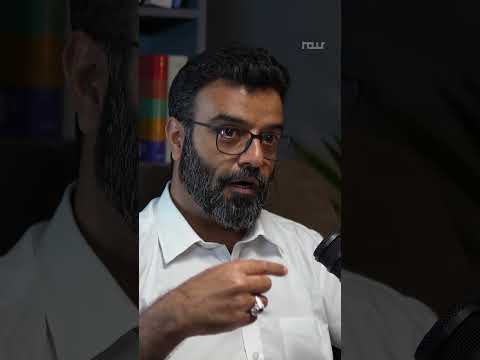
 2:41
2:41Video· Nous Shorts
Can Islam and Indian Nationhood Coexist?
"As Islam expands in its true spirit, it is compatible with society, contributory to society, and not inherently in conflict with it."
Cut from our documentaries, explainers and conversations. Each one links back to the full episode it came from.
2:41"As Islam expands in its true spirit, it is compatible with society, contributory to society, and not inherently in conflict with it."
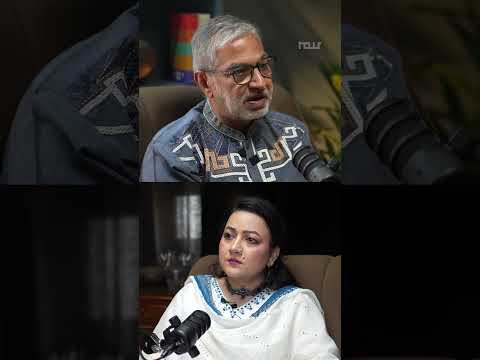 2:11
2:11"Democracy is not just about elections—it is about giving power to citizens."
2:11"Democracy is not just about elections—it is about giving power to citizens."
2:11"Democracy is not just about elections—it is about giving power to citizens."
2:11"Democracy is not just about elections—it is about giving power to citizens."
 2:59
2:59"Muslim and Sikh Nationalism did not have theological origin."
2:59"Muslim and Sikh Nationalism did not have theological origin."
2:59"Muslim and Sikh Nationalism did not have theological origin."
2:59"Muslim and Sikh Nationalism did not have theological origin."
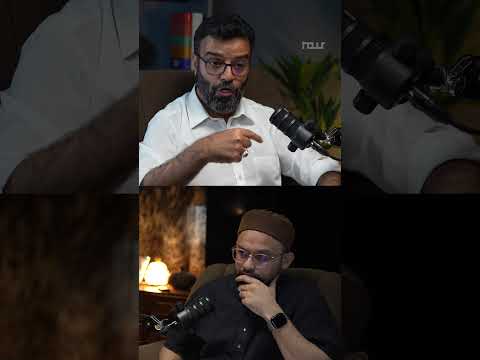 2:18
2:18"A promise made to every Indian citizen must be honoured—regardless of religion, caste, language, or region."
2:18"A promise made to every Indian citizen must be honoured—regardless of religion, caste, language, or region."
2:18"A promise made to every Indian citizen must be honoured—regardless of religion, caste, language, or region."
2:18"A promise made to every Indian citizen must be honoured—regardless of religion, caste, language, or region."
 1:54
1:54"If Chabahar Port had been fully developed, there would have been no dependence on the Strait of Hormuz."
1:54"If Chabahar Port had been fully developed, there would have been no dependence on the Strait of Hormuz."
1:54"If Chabahar Port had been fully developed, there would have been no dependence on the Strait of Hormuz."
1:54"If Chabahar Port had been fully developed, there would have been no dependence on the Strait of Hormuz."
 2:23
2:23"There is no superiority based on caste, race, language or region—the Qur'an commands the establishment of justice."
2:23"There is no superiority based on caste, race, language or region—the Qur'an commands the establishment of justice."
2:23"There is no superiority based on caste, race, language or region—the Qur'an commands the establishment of justice."
2:23"There is no superiority based on caste, race, language or region—the Qur'an commands the establishment of justice."
 2:58
2:58“For two days, I kept on calling him”
2:58“For two days, I kept on calling him”
2:58“For two days, I kept on calling him”
2:58“For two days, I kept on calling him”
 2:13
2:13Professor Tanweer Fazal in conversation with Asad Ashraf on Muslims and the question of citizenship in India. Watch here: https://youtu.be/rrWE5Ob5z3E
2:13Professor Tanweer Fazal in conversation with Asad Ashraf on Muslims and the question of citizenship in India. Watch here: https://youtu.be/rrWE5Ob5z3E
2:13Professor Tanweer Fazal in conversation with Asad Ashraf on Muslims and the question of citizenship in India. Watch here: https://youtu.be/rrWE5Ob5z3E
2:13Professor Tanweer Fazal in conversation with Asad Ashraf on Muslims and the question of citizenship in India. Watch here: https://youtu.be/rrWE5Ob5z3E
 2:11
2:11"Is legal citizenship the same as equal belonging?"
2:11"Is legal citizenship the same as equal belonging?"
2:11"Is legal citizenship the same as equal belonging?"
2:11"Is legal citizenship the same as equal belonging?"
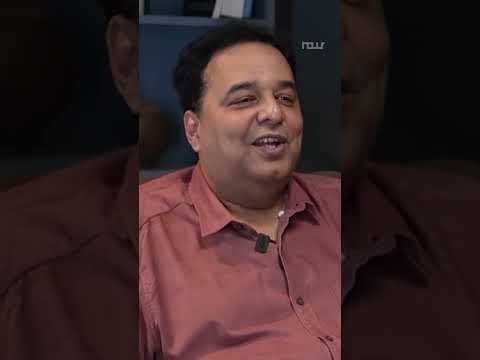 1:06
1:06"India's power, economy and corporate interests have become hostage to external geopolitical priorities."
1:06"India's power, economy and corporate interests have become hostage to external geopolitical priorities."
1:06"India's power, economy and corporate interests have become hostage to external geopolitical priorities."
1:06"India's power, economy and corporate interests have become hostage to external geopolitical priorities."
 1:18
1:18"War is the primary. Peace is the secondary."
1:18"War is the primary. Peace is the secondary."
1:18"War is the primary. Peace is the secondary."
1:18"War is the primary. Peace is the secondary."
 0:31
0:31"The rule is that voters elect the government. Today, the government elects the voters."
0:31"The rule is that voters elect the government. Today, the government elects the voters."
0:31"The rule is that voters elect the government. Today, the government elects the voters."
0:31"The rule is that voters elect the government. Today, the government elects the voters."
 1:19
1:19"When Congress played communal card, it lost control of the narrative."
1:19"When Congress played communal card, it lost control of the narrative."
1:19"When Congress played communal card, it lost control of the narrative."